This article is part of “Innovations In: Type 1 Diabetes,” an editorially independent special report that was produced with financial support from Vertex.
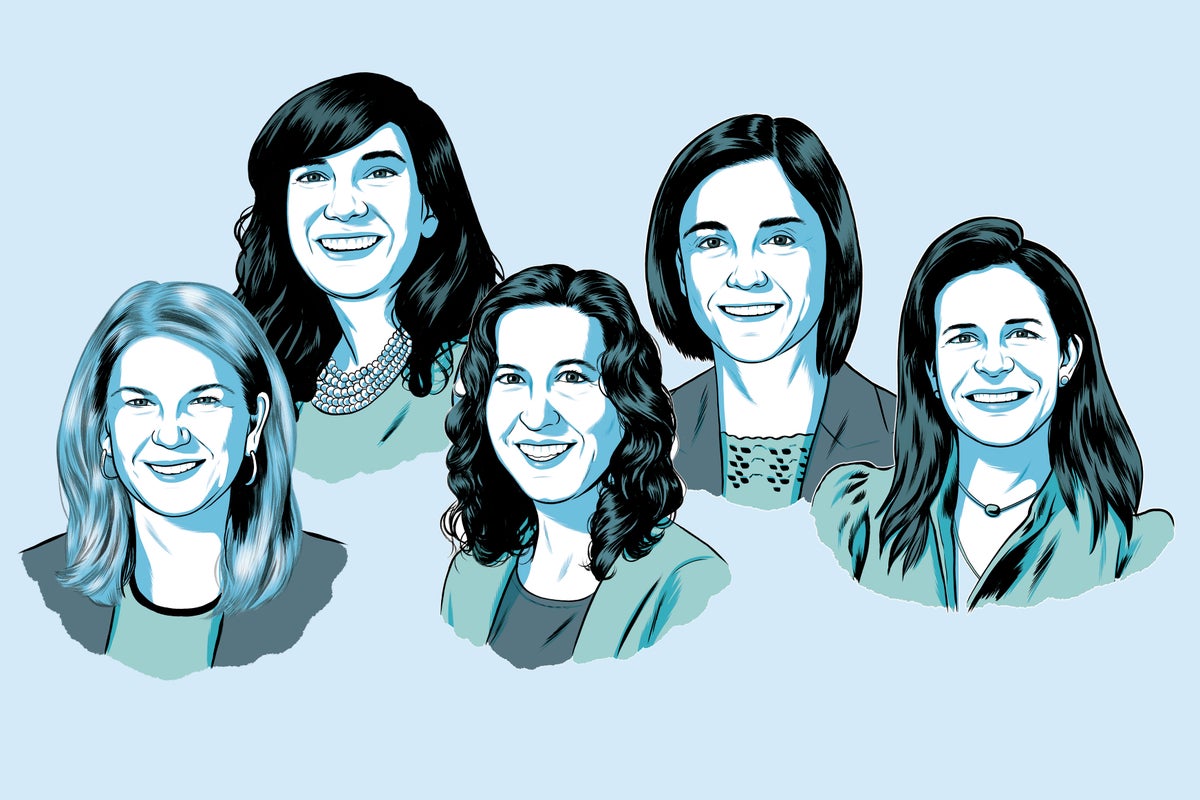
Type 1 diabetes wears many faces—an elusive autoimmune disease, a metabolic mess, a chronic condition that requires lifelong treatment. That means researchers, clinicians and advocates have to wear many faces as well to meet the different needs of different patients. Some of these changemakers work to raise awareness of the mental health burdens of the illness, others elevate standards of care for pregnant people, and still others try to bring essential resources to countries with limited health-care availability. Here are their stories.
A Physical and Mental Disease
On supporting science journalism
If you’re enjoying this article, consider supporting our award-winning journalism by subscribing. By purchasing a subscription you are helping to ensure the future of impactful stories about the discoveries and ideas shaping our world today.
The relentless physical damage inflicted on people with type 1 diabetes is well known. But more psychologists and mental health practitioners are working to address the ways the disease—with its constant demands to manage insulin and blood glucose levels—takes a heavy toll on the mind.
“There’s a very normal emotional reaction to living with diabetes, known as diabetes distress,” explains Danielle Hessler Jones, who is a psychologist at the Behavioral Diabetes Research Group at the University of California, San Francisco.
Levels of exercise, diet and sleep, as well as stress, can make blood sugar fluctuate dramatically. People with diabetes may be “doing everything that they need to in terms of administering insulin and monitoring glucose, but sometimes blood glucose just doesn’t cooperate,” says Kimberly Driscoll of the University of Virginia, a clinical psychologist specializing in pediatric diabetes and co-editor of a type 1 diabetes mental health workbook. That loss of control can lead to frustration and burnout. Social and economic barriers create another layer of strain. Some people may experience stress from poor access to transportation, healthy foods, medication or specialized care, Hessler Jones says.
“People with type 1 diabetes hear a lot of asks from health-care providers, for good reason, but it really adds up” to a lot of mental strain, Hessler Jones says. And “some people feel that they have to hide this from their neighbors, their loved ones, their workplace.” Attempts to camouflage the distress may exacerbate it.
Because of that, diabetes distress has been linked to other serious mental health issues. A 2024 study found that one in five people with type 1 diabetes was diagnosed with either depression or anxiety. A 2022 paper showed that disordered eating, including food restriction, binge eating and self-induced vomiting, was more common in adolescents with the disease than among their peers without it. “Because insulin can be associated with weight gain, we sadly see people not taking this lifesaving medication at the doses that they should,” Hessler Jones says. This illness has a specific name: diabulimia.
There are solutions, fortunately. Mental health interventions can help with these problems and improve disease management among patients. Hessler Jones recently led a randomized, controlled trial called EMBARK, in which 276 adults with type 1 diabetes were divided into three different virtual support groups. One was a diabetes management group led by a certified diabetes educator. A second was a group focused purely on mental health, led by a clinical psychologist. A third group combined these two approaches. After one year, participants in all three groups saw reductions not only in their distress but in levels of hemoglobin A1C (a key indicator of blood glucose; higher levels mean worse control). The psychological care group actually had the highest and most consistent improvements, with the participants’ diabetes distress scores cut nearly in half and their A1C levels significantly reduced.
People in that group learned various therapeutic techniques they could use themselves, including emotional mindfulness, acceptance strategies and planning for daily self-care. “We found this was incredibly powerful for individuals,” Hessler Jones says. “So many people have told us, ‘No one has ever asked me this before. No one ever talks about this.’”
Hessler Jones and her team are currently bringing the trial’s findings into real-world care. They’ve trained 15 clinics on the program’s key components and will have full results in late 2026. Driscoll’s workbook on mental health care for children and adolescents with type 1 diabetes also walks through various strategies, including communication and problem-solving skills. She crafted the resource to support kids and their families and therapists. “Oftentimes we will get referrals from medical providers that [a person needs] to work on getting the A1C down,” Driscoll says, “but if a person is depressed or has no interest in engaging with the [treatment] regimen, you have to work on that first before you can start on the self-management piece.”
“The disease requires management 24 hours a day,” Driscoll says—but this degree of attention doesn’t have to hamper quality of life. Empowering people with mental wellness tools can restore a sense of control over their health and lives.
Healthier Pregnancies
Most people with type 1 diabetes should keep blood glucose levels in the recommended range of 70 to 180 milligrams per deciliter. Pregnant people with the disease, however, have less flexibility. For them the band shrinks to 63 to 140 mg/dL because higher glucose levels can hurt the developing fetus. “When people with type 1 diabetes become pregnant, they feel an enormous burden,” says Sarit Polsky, director of the Pregnancy and Women’s Health Clinic at the Barbara Davis Center for Diabetes at the University of Colorado Anschutz Medical Campus.
That’s why Polsky and other clinicians are studying new treatment strategies to support pregnant people with type 1 diabetes in maintaining their goals. “What’s been shown in many, many studies over decades of research is that higher glucose levels can lead to fetal harm,” Polsky says. Clinical data have linked hyperglycemia to increased rates of birth defects, cesarean deliveries, miscarriages and neonatal intensive-care admissions. High levels pose risks to the early developing embryo, too: congenital heart disease and kidney defects can occur when hemoglobin A1C levels are high during the first 10 weeks of pregnancy. For pregnant people, hypertension is a big risk.
At the 2025 American Diabetes Association conference in July, Polsky presented several new updates to the organization’s standards for care during pregnancy. One of the new recommendations is maintaining good glucose levels using automated insulin delivery (AID) systems—an “artificial pancreas” or insulin pump that automatically adjusts doses in response to changes in blood glucose [see “The Long Journey to an Artificial Pancreas”]. In addition to the overall target, “glucose levels overnight and between meals [should be] under 95 mg/dL,” Polsky says. An AID system can be set to maintain these ranges.
These recommendations came out of a recent randomized, controlled trial called AiDAPT, which showed that people with type 1 diabetes who used an AID system set with pregnancy-specific fasting glucose targets stayed within the recommended range about 70 percent of the time. That added up to 2.5 more hours each day than in a comparison group using another insulin-delivery method.
Preliminary evidence also hints that the environment of the womb may contribute to the genesis of type 1 diabetes in the fetus. Polsky is collaborating with other researchers on the PROMISE study, which is investigating womb exposures that may trigger type 1 autoimmunity. They plan to look at various factors, such as viral exposures, maternal microbiome data and parental genetics. Babies will also be screened for type 1 diabetes for up to five or six years. “If you identify children who have autoantibodies [attacking insulin-producing cells], you can follow them more closely,” says endocrinologist Florence Brown, one of the trial researchers and co-director of the Joslin and Beth Israel Deaconess Medical Center’s Diabetes in Pregnancy Program. If at-risk infants are identified very early, Brown says, medications can reduce their risk of certain diabetes complications.
Reaching Communities
In 2017 radiology specialist and physician Ileana Gill, who was working in Venezuela, feared her daughter might be dying. The child, who was then four years old, briefly slipped into a coma after being admitted to a local intensive care unit. She developed diabetic ketoacidosis—a dangerous buildup of acidic compounds called ketones caused by a lack of insulin—and was diagnosed with type 1 diabetes.
“I got to see firsthand what it was like to have someone you really care about live with type 1 diabetes, especially in a country where [there’s unpredictable] access to health supplies and to a pediatric endocrinologist,” says Gill, who is now a radiology professor at the University of Miami. Last year her oldest daughter was also diagnosed with the illness.
Adjusting to the treatment and lifestyle changes was difficult. “If this is so hard for me and my family, who are very well educated and have access to information, diabetes educators and nutritionists—it made me imagine what it is like for a regular person and for a person who’s in the lower economic bracket” of a developing nation, Gill says.
Shortly after her daughter was diagnosed, Gill co-founded Guerreros Azules, a Caracas-based nonprofit organization that provides education about type 1 diabetes, insulin supplies, blood glucose test strips, and other types of diabetes care. Gill says to date they have served more than 2,500 kids. She visits Venezuela annually and helps to build global partnerships.
Scientific American spoke with Gill about how her work with Guerreros Azules is closing care gaps in Venezuela and how the organization’s approach could help other communities in need.
An edited transcript of the interview follows.
What challenges face children with type 1 diabetes in Venezuela?
The lack of insulin and the price of it are barriers in Venezuela. While I was living there, even being a physician and knowing how the market works, there were days where I wasn’t sure my daughter was going to have insulin for the month or if she was going to have access to all of the care she needed. It’s a common experience. Insulin is expensive—a package of insulin pens, which may last a month, might be $25. The monthly salary for a family could be $125.
What’s the inspiration for Guerreros Azules?
“Guerreros Azules” means “blue warriors.” The name is very special because blue is the color associated with type 1 diabetes awareness, and “warrior” represents the type 1 community worldwide. Because it’s a 24/7 condition, you need to be always on guard. The fight isn’t always bad, but it’s always there. The association was founded by a group of moms, all of us living with kids with type 1 diabetes. I met them when my daughter was hospitalized. One of the moms came to visit me because she heard my daughter had been diagnosed with type 1 diabetes. That mom, Marta, gave me her number and told me to call her if I had any questions. We’re not all physicians or diabetes experts, but we know a lot from caring for our children. So we thought: let’s start helping other parents.
What approaches or resources have you found are most successful?
We focus on education, supporting parents and creating awareness. The way we started was if someone was recently diagnosed, we would go to visit the family at their house or a hospital, the same thing Marta did for me.
We provide free insulin, but we realized that you could give people an insulin pen, glucose strips and a meter, but they didn’t know how to use it. So we concentrate on education and then give out the insulin and supplies. We also give out what we call a Blue Warrior’s kit for those who are newly diagnosed. People know they have to learn all of this, but at least they don’t have to scramble to get the medication.
For outreach, we were doing everything—we were on the radio, we were on social media, we were on the streets, we were in the schools, in the parties, in the clubs, in the pharmacies. Then we were doing a lot of education for the parents. Initially we did very small trainings at churches, at schools, with other NGOs, at people’s houses. Now we do education sessions at the hospital and in bigger settings.
At the hospital, where we had one pediatric endocrinologist, we trained several nurses in diabetes care. Then we worked with the Central University of Venezuela to create a fellowship for pediatric endocrinology. We trained three residents the first three years. Now we train not only in Caracas but also throughout the country. Currently we work with 28 pediatric endocrinologists.
How has your work expanded to help others internationally?
There’s a lack of data on kids with type 1 diabetes. For the past eight years we’ve been able to create a registry of the children we’ve worked with. We’re one of the few countries in South America to have a registry. A foundation in Guatemala has reached out for advice on developing a similar list to help determine how many kids with type 1 they have. We’re hoping we can expand on it and use it for treatment development and understanding insulin use.
Original source: us