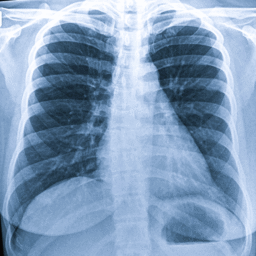
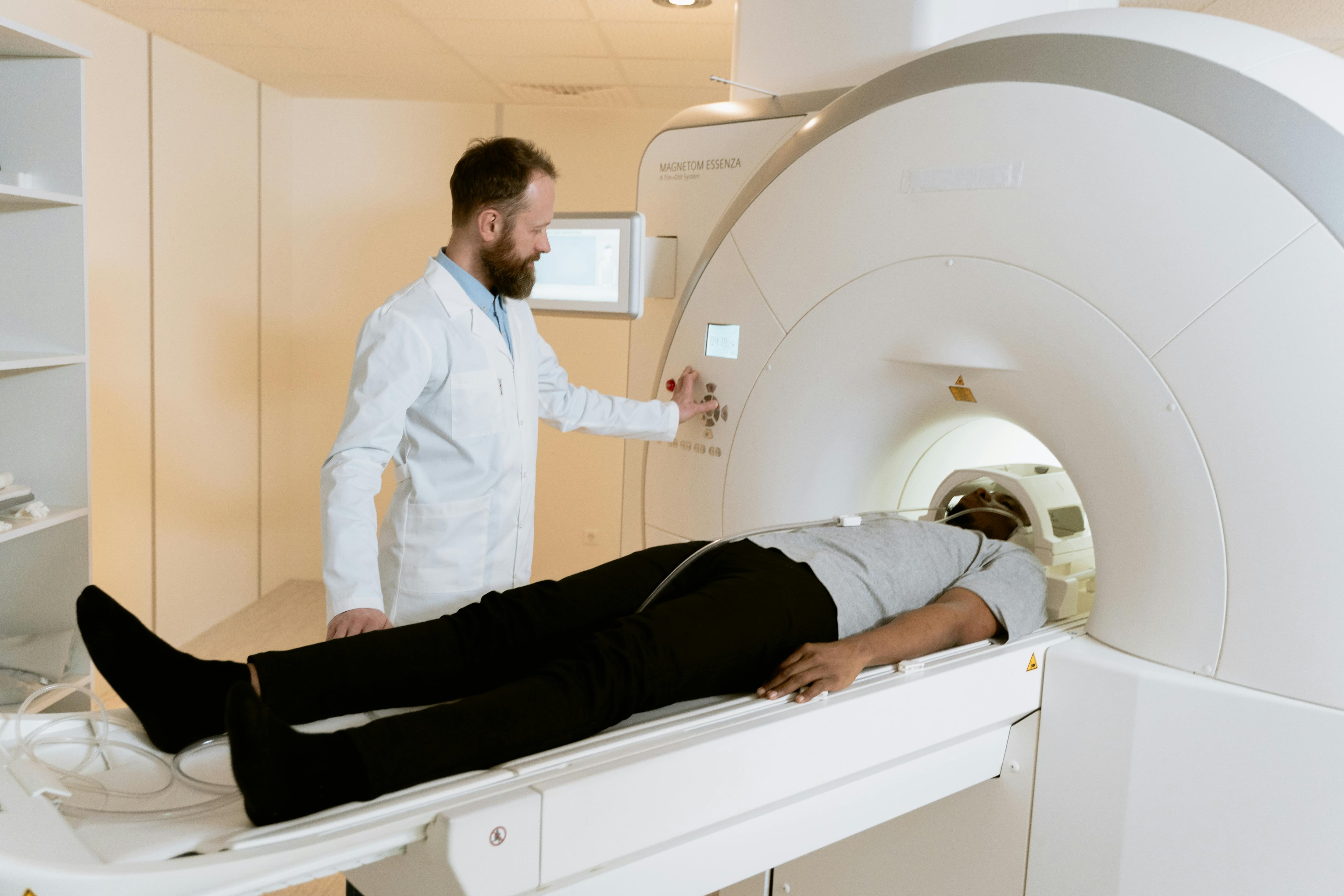
Researchers say they have identified the first imaging-based biomarker of chronic stress, using artificial intelligence to analyze routine CT scans in a way that could eventually help flag long-term, stress-related health risks.
The study, presented at the annual meeting of the Radiological Society of North America (RSNA) in early December, used a deep learning model, a form of AI trained to recognize patterns in large datasets, to automatically analyze medical images.
In this case, the model was trained to identify and measure the size of the adrenal glands, which are small organs that play a central role in the body’s stress response by producing cortisol.
According to Health Canada, stress is linked to a range of physical and mental health problems, including heart disease, some types of bowel disease, herpes, mental illness and a weakened immune system.
Yet, there’s no widely available, objective way to measure the biological toll of stress over time.
“Our initial hypothesis was based on the fact that there is no widely accessible and widely approved marker which measures chronic stress in medicine and medical imaging,” said lead author Elena Ghotbi, a postdoctoral research fellow at The Johns Hopkins University School of Medicine, in an interview with CTVNews.ca.
“So, our hypothesis was that maybe … measuring this adrenal gland in chest CT scans, and then measuring its volume, would be related to markers of chronic stress.”
Unlike a single cortisol test, which captures stress at one moment in time, adrenal gland volume may reflect prolonged physiological strain. Using an AI model trained to automatically segment the adrenal glands on CT scans, the researchers calculated an Adrenal Volume Index (AVI), defined as total adrenal gland volume, measured in cubic centimetres and divided by a person’s height squared in metres.
People who reported high levels of perceived stress had higher AVI than those who reported low stress.
The model was tested on imaging and health data from nearly 3,000 participants in the Multi-Ethnic Study of Atherosclerosis, a long-running cohort that combines chest CT scans with cortisol measurements, aligned with existing data.
“We were able to show that those adrenal volumes … were associated with cortisol hormone levels, stress levels that patients expressed in standardized questionnaires, and also long-term cardiovascular outcomes,” Ghotbi said.
Senior author Shadpour Demehri, a professor of radiology at Johns Hopkins, said the approach could eventually allow clinicians to extract new information from scans already being performed for other reasons.
“There is no quick measure of chronic stress, (or) objective measure of chronic stress,” Demehri said in an interview with CTVNews.ca. “People are reflecting (on) and expressing their stress in different ways. We are not as much interested in the psychological component of it, but its biological impact.”
Both authors stressed that the findings are preliminary and require validation in other populations, scanners and age groups, noting that external validation will be critical before the measure could be used clinically.
Still, Demehri said the ability to apply the algorithm to millions of existing CT scans highlights how AI could uncover biological signals that were previously impractical to measure.
The latest data show that in Canada, approximately 6.4 million publicly-funded CT exams were performed in the 2022–2023 fiscal year, according to the Canadian Medical Imaging Inventory 2022–2023. That’s a national average of 160 exams per 1,000 people.
The survey opened on May 5, 2023, and primary data collection and validator responses were collected until October 31, 2023.
“Just imagine this algorithm can run onto all of (CT machines) and get the data that we want,” he said. “Like anything in medicine, there’s nothing guaranteed, (but) we are very hopeful.”
Original source: ca