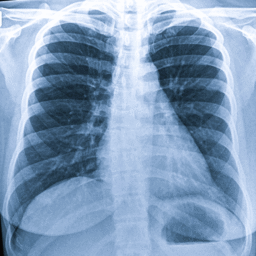

Dubai: The Government Institute of Medical Sciences (GIMS) in Greater Noida has inaugurated India’s first government-run artificial intelligence (AI) clinic, marking a major step in integrating advanced technology into public healthcare..Experts say the initiative could transform early disease detection, diagnostics and treatment, especially for conditions such as cancer and heart, kidney and liver diseases..According to a report by The Times of India, the clinic will combine artificial intelligence with genetic screening to detect diseases at an early stage, analyse blood tests, interpret scans and predict recovery outcomes..Brigadier (Dr) Rakesh Kumar Gupta, Director of GIMS, said the clinic will use AI to analyse a wide range of diagnostic inputs..Cleveland Clinic Abu Dhabi: A decade of impact .“The clinic will use artificial intelligence along with genetic screening to analyse blood tests, imaging scans and other clinical data,” he said..AI tools will assist in interpreting X-rays, ultrasounds, CT scans, MRI reports and laboratory investigations, helping doctors improve accuracy and speed of diagnosis..Dr Gupta added that the initiative would also open new opportunities for healthcare startups, calling it “the need of the hour” to ensure innovation reaches both patients and clinicians..India turns to AI and real-time analytics to strengthen disease surveillance.What is an AI clinic?.An AI clinic uses advanced algorithms and automation to support doctors in diagnosis, treatment planning and patient management..Such clinics can function as standalone units or integrated hospital departments, where AI systems analyse patient data in real time to support clinical decision-making..One of the biggest advantages is improved access to quality healthcare, particularly in remote and underserved areas, where specialist availability is limited..How AI clinics improve patient care.Faster and more accurate medical imaging.AI analyses X-rays, CT scans and MRIs to detect fractures, lung nodules and subtle tumours faster than conventional methods..This helps doctors prioritise critical cases, reduce waiting times and improve emergency response. Studies show AI can improve radiologist efficiency by up to 40%..Smarter pathology.In pathology, AI automates tissue analysis and identifies disease patterns that may be missed by the human eye..This reduces processing time, improves diagnostic precision and allows pathologists to focus on complex cases..Early cancer detection.AI excels at identifying early signs of cancers such as breast and lung cancer by reducing false positives and negatives..Early diagnosis means higher survival rates and better treatment outcomes..Personalised treatment.By analysing medical history, lifestyle and genetic data, AI recommends customised drug dosages, therapies and lifestyle changes..In oncology, AI-guided treatment matching has shown 20–25% better success rates..Genomics and precision medicine.AI processes vast genomic datasets to identify disease-linked biomarkers and predict how patients will respond to treatment..This enables tailored therapies with fewer side effects, especially in cancer care..Remote monitoring and prevention.AI-powered wearables and apps track vital signs such as heart rate, blood pressure and glucose levels..Caregivers are alerted in real time to abnormalities, helping prevent complications and reduce hospital readmissions..Why this AI clinic matters.First of its kind: India’s first AI clinic in a government medical institute.Public healthcare focus: Unlike private AI diagnostics centres, this clinic is part of the public health system.Early disease detection: Strong focus on preventive and predictive care, not just treatment.Startup ecosystem boost: Creates opportunities for healthtech startups and innovation.Scalable model: Could be replicated across government hospitals in other states.Where else are AI clinics being used?.India: AI tools are already used in select private hospitals and diagnostic labs, but not as a dedicated government AI clinic.Global: Countries such as the US, UK, China and South Korea use AI extensively in radiology, pathology and cancer screening.Public systems: The UK’s NHS uses AI for imaging and early cancer detection, though not always through standalone AI clinics.Why it matters.Boosts public healthcare: Brings advanced AI diagnostics into the government health system, not just private hospitals.Early detection saves lives: Enables faster diagnosis of cancer and chronic diseases, improving survival and recovery.Scalable nationwide model: Can be replicated across government hospitals, expanding access beyond major cities.What’s next.Pilot phase: Performance and accuracy will be monitored before wider rollout.Expansion potential: Model could be extended to other government medical colleges.Policy impact: May shape India’s future guidelines on AI use in public healthcare
Original source: ae