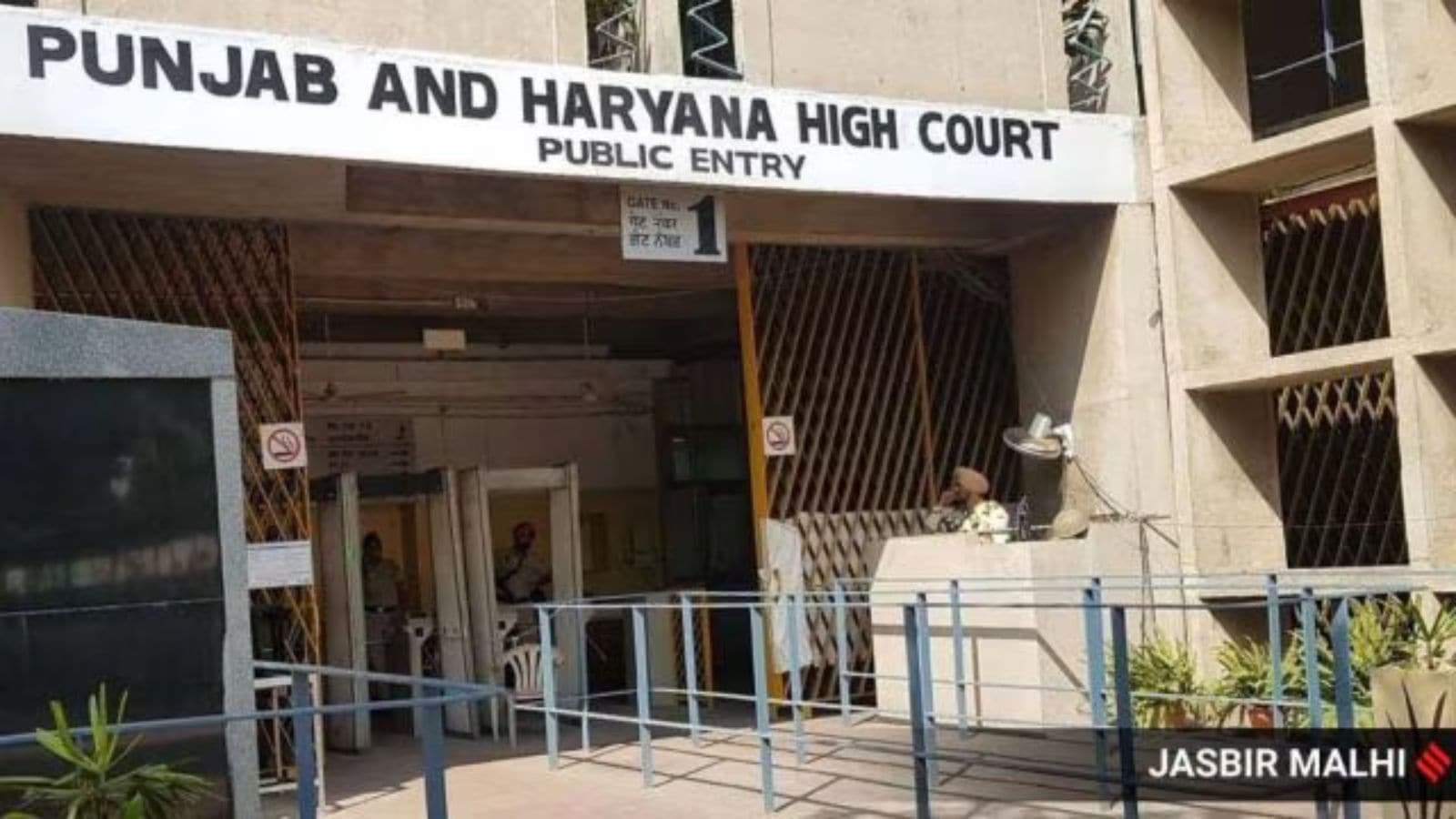
The Punjab and Haryana High Court Thursday expressed strong dissatisfaction with I K Gujral Punjab Technical University, Jalandhar, over its failure to comply with a specific judicial direction requiring the vice-chancellor to file a personal affidavit explaining why allied and healthcare courses were permitted despite a central prohibition. Hearing a Public Interest Litigation filed by Kapurthala resident Amardeep Gujral, a Division Bench of Chief Justice Sheel Nagu and Justice Sanjiv Berry was examining the legality of affiliation and continuation orders dated June 30, 2025, through which the university allowed fresh admissions in five allied healthcare courses for the 2025–26 academic session. The petitioner challenged the university’s decision to grant affiliation for courses including BSc Medical Lab Sciences, Radiology and Imaging Technology, Cardiac Care Technology, Optometry and Operation Theatre Technology, alleging that the approvals violated a December 9, 2024, communication issued by the National Commission for Allied and Healthcare Professions. The Commission had restrained institutions from opening new allied health courses until statutory regulations were framed. Also Read | Punjab Technical University gets B in first-ever NAAC grading; colleges ranked A+ During the hearing, counsel for the petitioner argued that, despite the Commission’s categorical bar, the university issued affiliation orders, placing students’ futures at risk. Attention was drawn to the High Court’s order of October 27, 2025, which specifically directed the vice-chancellor to file an affidavit detailing the reasons for ignoring the prohibition and clarifying whether students were informed of the regulatory bar at the time of admission. The bench repeatedly asked the university to place on record the vice-chancellor’s affidavit. When counsel relied on a reply filed through the registrar and a subsequent affidavit merely adopting that response, the court rejected the explanation. “We had passed a specific judicial order asking the vice-chancellor to file an affidavit. We are not satisfied with this,” Chief Justice Nagu observed. The court noted that the registrar’s affidavit could not substitute direct compliance with its earlier order and remarked that the vice-chancellor appeared to be taking the court’s directions lightly. Granting what it termed a final indulgence, the bench gave the university a 15-day window to file a proper affidavit by the vice-vhancellor, warning that failure to do so could invite coercive steps. The matter has been posted for further consideration after the 15-day period expires.
Original source: in