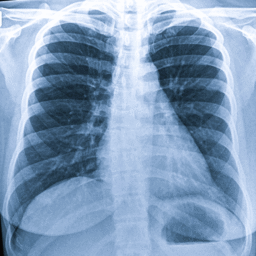

In the rush of daily life, subtle warning signs from the body are often dismissed as stress or fatigue. A lingering backache, an unusual tightness in the chest, or pressure in the neck may seem harmless, but in some cases, they can signal a serious underlying condition. For those with risk factors like high blood pressure, lung disease, or past infections, these symptoms could point to an aortic arch aneurysm, a dangerous weakening of the body’s main artery that can become life-threatening if left untreated. The encouraging news is that modern, minimally invasive procedures like Thoracic Endovascular Aortic Repair (TEVAR) are transforming outcomes, offering safer treatment and faster recovery than ever before. ,,Spot the signs before it is too late , Aortic arch aneurysms seldom present with obvious or sudden warning signs, often progressing silently over time. “Ongoing pain in the mid-back or chest that doesn’t ease with rest, a sense of tightness or pressure in the chest, unexplained shortness of breath, changes in the voice, or trouble swallowing are symptoms that are frequently overlooked. ,“These symptoms don’t always feel alarming, which is why people tend to ignore them,” says Dr. Rohit P. V. Nair, Senior Consultant in Vascular and Interventional Radiology at Aster Medcity Hospital, Kochi. “But when discomfort is persistent, unexplained, or progressively worsening, it is the body’s way of signalling that something deeper may be wrong.” ,In older adults, age-related weakening of blood vessels, long-standing hypertension, and chronic conditions such as lung disease significantly increase the risk of aortic aneurysms. What may feel like routine discomfort or age-related pain can, in fact, be an early sign of a serious vascular emergency. ,,A less invasive option that is changing outcomes , Thoracic Endovascular Aortic Repair, or TEVAR, is a minimally invasive procedure used to treat weakened or bulging areas of the aorta. Unlike open surgery, which requires opening the chest, TEVAR is performed by guiding a stent graft through the blood vessels to reinforce the affected area from within. ,“For many patients, especially the elderly or those with heart or lung disease, open surgery can be extremely demanding,” Dr. Rohit explains. “TEVAR places far less strain on the body and significantly lowers the risk of complications, while still offering effective treatment.”,Also read: Solar Eclipse 2026: Are There Any Harmful Health Effects of Surya Grahan? ,,How one timely intervention made all the difference , Dr. Rohit says he recently treated a man in his mid-60s who came in with severe mid-back pain. The patient had long-standing hypertension, a history of heavy smoking, poor lung function, and a previous tuberculosis infection. Imaging revealed a large aneurysm located close to vital neck vessels, with a high risk of rupture. ,“Given his health profile, conventional surgery carried significant risks,” Dr. Rohit says. “A staged hybrid TEVAR approach allowed us to first stabilise the blood vessels and then safely exclude the aneurysm without putting him through major surgery.” ,,Why recovery looks very different today , The impact was immediate. Within a day of the procedure, the patient was awake, walking comfortably, and free from the severe pain that had brought him to the hospital. “The day after the stent was placed, his back pain had resolved completely,” Dr. Rohit shares. “Seeing patients recover this quickly is one of the biggest advantages of minimally invasive care.” ,As techniques like TEVAR continue to evolve, they are increasingly becoming the preferred option for treating complex aortic conditions, offering shorter hospital stays, less pain, and a faster return to everyday life. ,(Inputs by: Dr. Rohit P. V. Nair, Senior Consultant in Vascular and Interventional Radiology at Aster Medcity Hospital, Kochi)
Original source: in