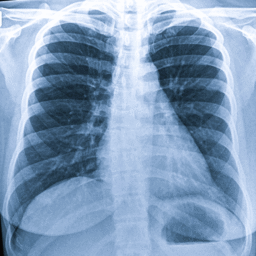
Artificial intelligence is rapidly emerging as a game changer in public healthcare. From AI-powered diagnostics and predictive analytics to telemedicine platforms and digital health records, the technology promises to transform how care is delivered across India. For a country still grappling with uneven access, high out-of-pocket expenditure and rural-urban disparities, AI in healthcare appears to offer a long-awaited breakthrough.But healthcare is not just a sector. It is a constitutional obligation tied to the right to life and dignity. The expansion of AI-driven healthcare must therefore be assessed not only through the lens of efficiency, but through equity, ethics and long-term public trust.The promise of AI in healthcare deliveryIndia’s public health system faces persistent structural challenges: shortage of specialists, overburdened district hospitals and limited diagnostic facilities in rural areas. Artificial intelligence can address these gaps in tangible ways.AI-based diagnostic tools are already assisting in detecting tuberculosis, diabetic retinopathy and certain cancers with remarkable accuracy. In tertiary institutions such as AIIMS, machine learning models are being explored for radiology interpretation and clinical decision support. When deployed responsibly, these tools can reduce diagnostic errors and shorten waiting times.Telemedicine platforms powered by AI can connect patients in remote villages to urban specialists. Predictive analytics can identify disease outbreaks early, enabling faster public health response. Digital health records, when integrated with AI systems, can personalise treatment plans and improve continuity of care.For the common citizen, this translates into faster diagnosis, lower travel costs, reduced hospital congestion and improved health outcomes.AI and universal health coverageIndia’s push toward universal health coverage requires smarter allocation of limited resources. AI can help governments map disease burden, optimise medicine supply chains and identify high-risk populations for targeted intervention.In preventive healthcare, AI algorithms can analyse lifestyle and medical data to flag early warning signs of chronic illnesses such as diabetes or cardiovascular disease. This shift from reactive to preventive healthcare is crucial for a country battling both communicable and non-communicable diseases.If aligned with public schemes, AI in healthcare can reduce catastrophic health expenditure, a major cause of poverty in India.The digital divide problemHowever, the benefits of AI in public healthcare are not automatic. They depend on digital infrastructure, data quality and human capacity.Large sections of rural India still face inconsistent internet connectivity and limited access to digital devices. If AI-driven health services are designed primarily for urban populations, the digital divide could widen. Those who most need public healthcare may find themselves excluded from advanced systems.Moreover, AI models are only as reliable as the data used to train them. If datasets underrepresent rural, tribal or marginalised communities, diagnostic accuracy may suffer for precisely those groups.Healthcare inequality could thus be reinforced by technology that was meant to eliminate it.Data privacy and ethical concernsAI in healthcare relies heavily on sensitive patient data. Health records contain deeply personal information: medical history, genetic details, mental health status. The risk of data breaches or misuse cannot be underestimated.Clear safeguards under India’s digital data protection framework are essential. Patients must know how their data is used, stored and shared. Informed consent cannot become a mere checkbox exercise.Another ethical challenge lies in algorithmic decision-making. If an AI system recommends a treatment plan or denies insurance eligibility, who is accountable? The hospital? The software developer? The government authority that procured the system?Without transparent audit mechanisms and legal clarity, trust in public healthcare could weaken.The risk of over-reliance on technologyThere is also a subtle but significant risk: over-reliance on AI may erode the human element in healthcare.Compassion, empathy and contextual judgement are central to medical practice. AI can support clinical decisions, but it cannot replace the doctor-patient relationship. Excessive automation may reduce healthcare workers to system operators rather than caregivers.Additionally, heavy dependence on private technology vendors for AI infrastructure may create long-term financial and strategic vulnerabilities for public health systems. Economic disruption and workforce transitionAI-driven healthcare may also reshape the medical workforce. Certain diagnostic roles may shrink, while demand for data analysts, biomedical engineers and AI specialists grows. This transition must be managed carefully through reskilling and training programmes.If handled poorly, automation could create professional insecurity within the healthcare sector — undermining morale at a time when public health capacity needs strengthening.The way forward: Inclusive and ethical AIFor AI in public healthcare to truly revolutionise access, India must prioritise:Investment in rural digital infrastructureInclusive datasets representing diverse populationsTransparent algorithmic audits in public hospitalsClear accountability frameworks for AI-based decisionsContinuous training for healthcare professionalsStrong patient data protection standardsArtificial intelligence can significantly improve healthcare delivery, reduce costs and expand access. It can strengthen preventive care and enhance disease surveillance. But without equity-driven design and ethical safeguards, it risks becoming another layer of exclusion.The debate is not whether AI should be used in healthcare, it inevitably will be. The real question is whether India can integrate artificial intelligence in a way that advances universal healthcare, protects patient rights and preserves the human core of medicine.Technology can extend the reach of doctors. It must not replace the responsibility of the state to care for every citizen.
Original source: in