There are warnings that come and go in public life. Then there are those that demand to be heeded.
The latest findings in the Northern Ireland Blueprint for Lung Cancer fall squarely into the latter category.
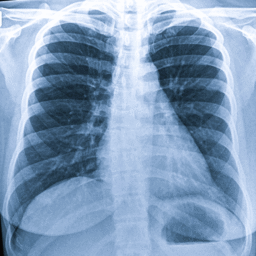
More than 1,300 people here are diagnosed with lung cancer every year. Almost half – 44 per cent – learn they have the disease only at a late stage, when curative treatment is rarely possible. Those figures alone are stark. Yet it is the geographic shift behind them that should give policymakers particular pause: lung cancer cases have doubled over the past 20 years in the north’s rural and coastal communities.
This is not a marginal change. It is a profound demographic warning.
As Dr Wendy Anderson has outlined, ageing in Northern Ireland is increasingly rural and coastal. Parts of the region have already seen their over-75 population double in two decades – and it is projected to double again. Lung cancer, overwhelmingly a disease associated with older age, has followed that demographic tide. The result is that some of our most picturesque and seemingly tranquil communities are now at the frontline of a mounting cancer burden.
The steepest rises have been recorded within the Northern Health and Social Care Trust area, followed by the South Eastern Health and Social Care Trust. Meanwhile, urban deprivation continues to drive higher baseline vulnerability in Belfast and Derry, where those in the most deprived areas remain twice as likely to be affected.
What is troubling is not simply the scale of the increase, but the sense that services have not adjusted to match it. We continue to contract and commission healthcare as though the map of need has remained static. It has not. There are five times more care-of-the-elderly doctors in Belfast than in Causeway. Only 42.7 per cent of lung cancer patients are seen within the 62-day treatment target. Surgical capacity remains constrained.
These are not mere policy gaps; they are lived realities for patients facing an unforgiving diagnosis. For a disease where early intervention can mean the difference between life and death, delay is measured in more than weeks.
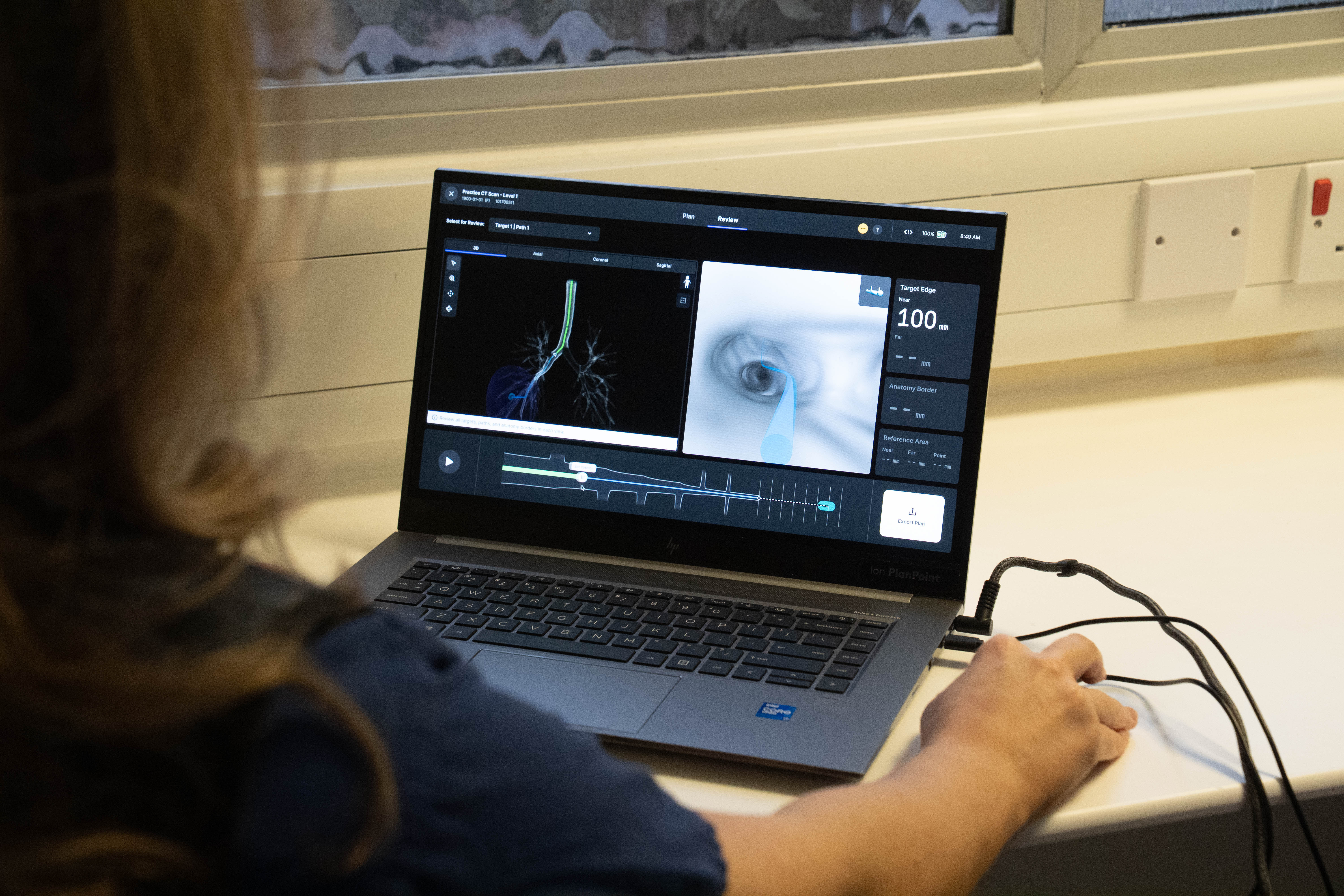
There are practical remedies. Targeted lung cancer screening linked to smoking cessation has delivered earlier diagnoses in England, detecting thousands of cancers at treatable stages. Yet Northern Ireland has made little progress in adopting similar measures. The Blueprint’s calls to cut red tape, join national audits, invest in radiology training and expand surgical provision – including modern procedures such as robotic surgery – are pragmatic, not extravagant.
There is also a longer horizon to consider. The aggressive marketing of vaping products to young people carries echoes of a past we know too well. To ignore those warning signs would be a grave mistake.
Healthcare planning must follow demographic reality. The doubling of lung cancer cases in rural and coastal regions is not a blip; it is a trajectory. If we fail to recalibrate services accordingly, geography and age will become yet another fault line in our health system.
That is a prospect no one should view with complacency.
Original source: gb