
By Madiba Singhateh
The Gambia is stepping up its use of nuclear technology beyond energy and weapons, as officials look to deploy it in hospitals, farms and water systems.
A high-level meeting between the National Environment Agency and the International Atomic Energy Agency in Sir Dawda Kairaba Jawara International Conference Centre this week set out an ambitious plan to embed nuclear science into national development.
The talks form part of the country’s first full cycle of cooperation with the UN nuclear watchdog, covering the period 2026 to 2029, a milestone following The Gambia’s formal entry into the agency in 2023.
At the centre of the discussions is a shift in how nuclear technology is understood.
“Nuclear is not only the atomic bomb,” said Abdou Salam Ndiath of the IAEA’s Africa division. “We want to identify where it can contribute effectively to development.”
For Gambian officials, the message is similar and urgent. Dawda Badgie, executive director of the NEA, said the partnership is built on the peaceful use of nuclear science, but with a broader vision.
“Usually, they say ‘atoms for peace’. But now other things also come in — how we can use nuclear for other benefits,” he said.
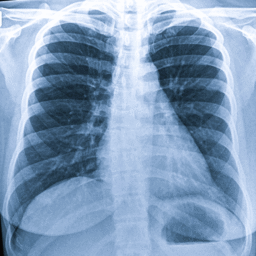
Those benefits, officials argue, could be far-reaching. In health, nuclear techniques are expected to strengthen cancer care, medical imaging and disease diagnosis, areas where The Gambia has long faced capacity gaps. Plans to establish a radiotherapy facility are being framed as a potential breakthrough in access to life-saving treatment.
In agriculture, isotopic and nuclear methods could help improve soil management, boost crop yields and strengthen livestock productivity, while building resilience to climate shocks.
And in water management, the technology is expected to support better tracking and protection of scarce resources.
Behind the push is a broader effort to translate technical cooperation into investment-ready projects.
“We are developing a framework that translates national priorities into an investment-ready document,” Badgie said, aimed at attracting funding and scaling impact.
The IAEA has already backed early steps from radiology equipment and oncology training to academic programmes in nuclear science, helping to build local expertise.
Officials say the next phase will focus on identifying gaps, aligning institutions and delivering a clear action plan.
The stakes are high. For a small country with limited resources, the challenge is not just access to technology, but turning it into tangible gains.
“This is both timely and highly relevant,” Ndiath said.
Original source: gm