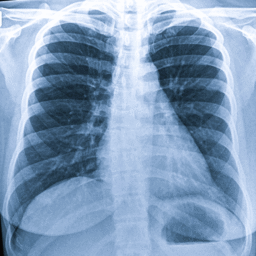

Healthcare is undergoing a structural transformation driven by digital technologies, with Artificial Intelligence (AI) emerging as a key enabler. What traditionally relied on clinical experience and manual processes is now increasingly supported by data-driven systems capable of analysis, prediction, and real-time clinical assistance. For healthcare professionals (HCPs), staying updated with these developments is no longer optional but essential for maintaining quality of care.AI in Clinical Decision-Making and Diagnostics AI applications, particularly those based on machine learning (ML) and deep learning, are demonstrating significant utility in clinical decision support. These systems can process large-scale datasets—including imaging, laboratory data, and electronic health records (EHRs)—to identify patterns beyond human recognition. In radiology, AI algorithms have shown performance comparable to clinicians in detecting conditions such as breast cancer in mammography and lung nodules in CT scans. A landmark study published in Nature demonstrated that an AI system reduced both false positives and false negatives in breast cancer screening compared to radiologists. 1 Similarly, in ophthalmology, deep learning models have been validated for detecting diabetic retinopathy with high sensitivity and specificity, enabling scalable screening solutions. 2Advancing Precision and Personalized Care AI is also facilitating the transition from standardized treatment approaches to precision medicine. By integrating genomic data, clinical parameters, and real-world evidence, AI enables more individualized treatment strategies. This is particularly relevant in chronic disease management. AI-driven predictive models can identify early signs of disease progression, allowing timely intervention. Studies have shown that AI-based risk prediction tools can improve outcomes in conditions such as cardiovascular disease and diabetes by enabling proactive care. 3 Improving Healthcare Efficiency and Workflow Operational inefficiency remains a persistent challenge in healthcare systems globally. AI is increasingly being deployed to optimize workflows and reduce administrative burden. Applications such as automated clinical documentation, appointment scheduling, and patient triage systems have demonstrated improvements in efficiency. According to a report by the World Health Organization, digital health interventions, including AI, can significantly enhance health system performance when implemented appropriately. 4 By reducing time spent on routine tasks, AI allows clinicians to focus more on direct patient care—an area where human expertise remains irreplaceable. AI in Public Health and Population-Level Interventions Beyond individual patient care, AI has significant implications for public health. Predictive analytics can support disease surveillance, outbreak prediction, and resource allocation. During the COVID-19 pandemic, AI models were used for early detection of outbreak patterns and forecasting healthcare demand. 5 In countries like India, where healthcare access is uneven, AI-driven insights can help improve resource distribution and target underserved populations more effectively. Barriers to Adoption: Awareness, Trust, and Ethics Despite its potential, the adoption of AI in clinical practice remains uneven. A key challenge is the lack of awareness and training among healthcare professionals. Many clinicians are unfamiliar with how AI models are developed, validated, and applied in practice. Concerns regarding data privacy, algorithmic bias, and reliability also contribute to hesitation. The “black box” nature of some AI systems raises questions about interpretability and accountability in clinical decision-making. 6 The Need for Continuous Learning and Upskilling AI should be viewed as a clinical support tool rather than a replacement for physicians. Evidence suggests that the most effective outcomes are achieved when AI is used in conjunction with human expertise. To fully leverage AI, healthcare professionals must engage in continuous learning—through training programs, interdisciplinary collaboration, and exposure to digital health technologies. The integration of AI literacy into medical education is increasingly being recognized as a priority. Ensuring Responsible and Ethical Implementation While AI offers transformative potential, its implementation must be guided by robust clinical validation, regulatory oversight, and ethical frameworks. Ensuring patient safety, data security, and transparency is critical. Importantly, the human aspects of healthcare—clinical judgment, empathy, and patient interaction—remain central and cannot be replaced by technology. Speaking to Medical Dialogues, Dr Jitendra Sharma, Managing Director and Founder CEO, Andhra Pradesh Medtech Zone Limited, said,…
Original source: in