Georgia is expanding access to public healthcare through new and updated programs targeting both rare diseases and cancer prevention.
The Ministry of Health is continuing work to broaden state-funded medical services for patients with rare neuromuscular conditions, with plans to extend coverage currently available to children to adult beneficiaries. The initiative forms part of a wider update to the national rare diseases program, expanding access to diagnostic, inpatient and outpatient care for conditions such as spinal muscular atrophy, Duchenne muscular dystrophy and Becker muscular dystrophy.
Health Minister Mikheil Sarjveladze, accompanied by Deputy Minister Tea Giorgadze, met with clinic representatives and hospital managers interested in joining the program. Discussions focused on the scope of services and the expected impact on patient care. Sarjveladze highlighted the importance of continuous monitoring in managing neuromuscular diseases, noting that expanded access to systematic care is expected to improve patient outcomes.
Under the updated program, patients will have access to multidisciplinary care, including consultations with neurologists, cardiologists, pulmonologists, endocrinologists, gastroenterologists or nutritionists, and orthopaedists. A broad range of clinical, laboratory and instrumental examinations will also be covered, supporting early detection, monitoring and long-term disease management. The Ministry says the changes aim to improve quality of life while ensuring adult patients are fully integrated into the state-funded system alongside children.
At the municipal level, Kakha Kaladze announced that Tbilisi will launch a publicly funded lung cancer screening program starting May 1. The initiative, financed by City Hall through its health and social services agency, will offer free screenings to residents aged 45 to 75 who are active smokers or who have quit within the past 15 years.
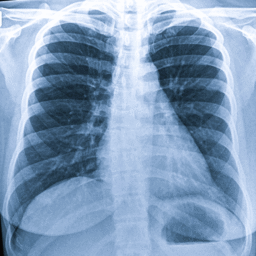
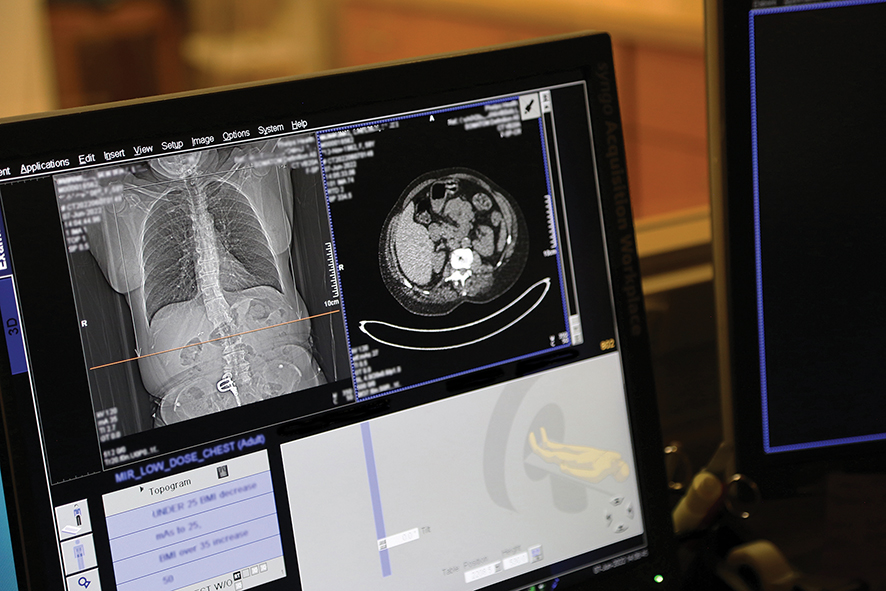
The program is designed to improve early detection of lung cancer, the leading cause of cancer-related deaths worldwide. Officials say early screening among high-risk groups can significantly increase survival rates. Screenings will be conducted using low-dose CT scans, with each scan reviewed independently by two radiologists and, where necessary, a third specialist to ensure accuracy.
Program criteria were developed in consultation with experts in oncology, radiology and pulmonology, and sixteen medical institutions across the city have been selected to participate based on their expertise and technical capacity.
Original source: ge