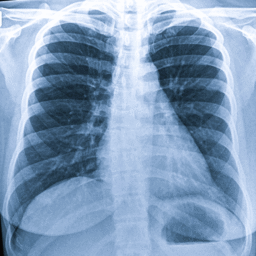

As the United States marks 250 years of independence, it’s not just a celebration of history – but also a chance to reflect on two and a half centuries of extraordinary medical progress. From the first vaccines and life-saving antibiotics to organ transplants, mRNA vaccines, robotic surgery, and artificial intelligence (AI), medical innovation has transformed how diseases are prevented, diagnosed, and treated. Many of these breakthroughs have not only improved healthcare in the US but have also influenced medicine around the world. Also read: The Heart Attack That Starts Years Earlier: Why Prevention Can’t Wait Vaccination changed public health forever One of the greatest achievements in modern medicine has been the widespread use of vaccines. Immunization campaigns helped eliminate smallpox globally and dramatically reduced diseases such as polio, measles, and diphtheria. The US has played a major role in vaccine research, development, and public health programs, contributing to longer life expectancy and lower child mortality. Antibiotics revolutionized infection treatment Before antibiotics, even minor infections could become fatal. The introduction of penicillin and later generations of antibiotics transformed healthcare by making bacterial infections treatable. These medicines have saved millions of lives and made modern surgery, cancer treatment, and organ transplantation possible by reducing the risk of life-threatening infections. Heart disease treatment took a giant leap Cardiovascular disease remains a leading cause of death, but advances in cardiology have dramatically improved survival. Today, many patients survive heart attacks that would have been fatal just decades ago. Major innovations include: Coronary angioplasty Heart stents Bypass surgery Implantable pacemakers Defibrillators Advanced cardiac imaging Organ transplants became a reality Successful kidney, liver, heart, and lung transplants have transformed the outlook for patients with end-stage organ failure. Advances in immunosuppressive medicines, surgical techniques, and donor matching have made transplantation safer and more successful than ever before. Cancer care entered the precision medicine era Cancer treatment has evolved far beyond chemotherapy alone. Doctors can now tailor treatments to a patient’s specific tumour, improving survival while reducing side effects. Today’s therapies include: Immunotherapy Targeted therapy Precision medicine Genetic testing Robotic cancer surgery Medical imaging changed diagnosis Modern imaging technologies have revolutionized medicine by detecting diseases earlier and more accurately. Doctors now routinely use MRI, CT scans, PET scans, ultrasound, and 3D imaging. These tools help diagnose strokes, cancers, fractures, and heart disease long before symptoms become severe. The mRNA vaccine revolution The COVID-19 pandemic accelerated one of the biggest scientific breakthroughs in recent history: mRNA vaccine technology. Originally researched for years before the pandemic, mRNA vaccines demonstrated that new vaccines could be developed rapidly and effectively. Researchers are now exploring similar technologies for influenza, RSV, HIV, and even certain cancers. Artificial Intelligence is transforming healthcare Healthcare is entering a new digital era powered by Artificial Intelligence (AI). AI is already helping doctors detect cancer on medical scans, predict heart disease risk, identify diabetic eye disease, improve radiology reporting, personalize treatment plans, and streamline hospital workflows. Rather than replacing doctors, AI is becoming a powerful tool that supports faster diagnosis and better clinical decisions. Telemedicine expanded access to care Virtual consultations have transformed healthcare delivery, particularly after the COVID-19 pandemic. Telemedicine allows patients to consult specialists remotely, monitor chronic diseases from home, and receive follow-up care without travelling long distances – improving access, especially in rural communities. As America celebrates 250 years, healthcare continues to evolve at an unprecedented pace. Advances in gene editing, regenerative medicine, wearable health technology, AI-assisted diagnostics, personalized medicine, and digital health promise to reshape medical care over the coming decades.
Original source: in