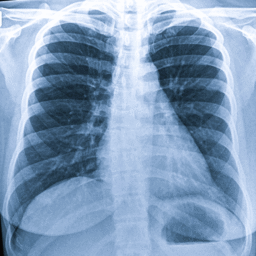

Mammography remains the most effective screening tool for detecting breast cancer early, but many women still have questions about when to start screening, how often to get tested, whether mammograms are safe, and what an abnormal report really means. Eight leading doctors answer the most common questions about mammography—from screening guidelines and breast density to radiation safety, false positives, and symptoms that should never be ignored. Dr P K Das, Vice Chairman, Medical Oncology, Max Smart Super Specialty Hospital, DelhiDr. Chintamani (Prof.), Senior Consultant, Surgical Oncology, Sir Ganga Ram Hospital, DelhiDr Madhupriya R G S, Senior Consultant Surgical Oncologist, Apollo Speciality Hospitals, ChennaiDr. Meghana Reddy Jetty, Senior Consultant – Obstetrics, Gynecology, Laparoscopy and Aesthetic Gynecology, Aster Whitefield Hospital, BengaluruDr Ridhima Bindlish, Senior Consultant, Surgical Breast Oncology, HCG Cancer Hospital, MumbaiDr. Pakhee Aggarwal, Senior Consultant, Gynae Oncology, Indraprastha Apollo Hospital, DelhiDr. Amrutha Pentakota, Consultant- Obstetrician Gynecologist & Laparoscopic Surgeon, Motherhood Hospitals, BengaluruDr Shraddha Sinhasan Pawar, Consultant Radiology, Jaslok Hospital and Research Centre, Mumbai Q. Who should get a mammogram? At what age should breast cancer screening begin, how often should it be done, and are there women who should start screening earlier? Women at average risk should begin mammography at age 40, with screening every 1–2 years. According to Dr. Meghana, women at average risk should undergo mammography every one to two years from age 40. Women with BRCA mutations, a strong family history of breast or ovarian cancer, prior chest radiation, or other high-risk factors may need to begin annual screening from age 30, along with breast MRI. “Every woman should have a breast cancer risk assessment by age 25 using tools such as the Gail Model or Tyrer-Cuzick model. Women with a lifetime risk above 20% may start screening as early as 25, with MRI added before age 40,” Dr. Shraddha said. Q. Do women need a doctor’s prescription for a mammogram, or can they undergo screening on their own? How do doctors decide when a screening mammogram versus a diagnostic mammogram is needed? Women without breast symptoms can often undergo a screening mammogram without a prescription, depending on local policies. Dr. Pakhee explained that a screening mammogram is performed routinely to detect breast cancer early in women without symptoms. “A diagnostic mammogram is recommended if there are symptoms such as a breast lump, nipple discharge, breast pain, or an abnormal screening result. While prescription requirements vary by healthcare facility, consulting a doctor helps ensure the right test is performed,” she said. Dr. Das noted that prescription requirements vary by region and facility. Some hospitals and imaging centres allow women over 40 to self-refer for routine screening, while diagnostic mammograms usually require a doctor’s referral. Facilities may also ask for the details of a primary care physician so results can be shared for appropriate follow-up. Q. What should women expect during a mammogram? Is the procedure painful, what precautions should they take before the test, and is mammography safe during pregnancy or while breastfeeding? A mammogram is a quick imaging test that usually takes 10–20 minutes. During the procedure, each breast is briefly compressed between two plates to produce clear X-ray images. While this may cause mild discomfort or pain, it lasts only a few seconds. Breast compression is necessary to spread the tissue evenly and improve image quality. For premenopausal women, scheduling the test about a week after their menstrual period can help reduce discomfort because the breasts are usually less tender. Dr. Pakhee advised women to avoid applying deodorants, powders, creams, or lotions on the day of the mammogram, as these products can interfere with the images. Routine mammography is usually postponed during pregnancy unless medically necessary. Mammography is generally considered safe during breastfeeding, and feeding or expressing milk before the test can improve comfort and image quality. Q. Are mammography X-rays safe? Can radiation exposure increase the risk of cancer, and is it a myth that breast compression during a mammogram can rupture cells or cause cancer to spread? Mammography uses a very low dose of radiation, and the benefits of early breast cancer detection far outweigh the minimal risk. Dr. Das explained that modern digital mammography systems are designed to use the lowest radiation dose needed to produce clear images. “The belief that breast compression can rupture cells or cause cancer to spread is completely a myth. Compression lasts only a few seconds and is essential to improve image quality, reduce radiation exposure, and separate overlapping breast tissue so that abnormalities can be detected more accurately.” Prof. Chintamani added that while breast compression may be uncomfortable, it does not spread cancer. Q. How accurate is mammography in detecting breast cancer? Can it miss cancers, particularly in women with dense breasts or certain types of breast cancer, and what are the limitations of the test? Mammography is one of the most effective tools for detecting breast cancer early, but no screening test is 100% accurate. Mammograms can occasionally miss cancers or produce false-positive results that require further evaluation. Dr. Ridhima and Dr. Pakhee explained that mammograms may be less effective in women with dense breast tissue because cancers can be harder to detect on X-rays. Dr. Madhupriya said mammograms may miss lesions because of dense breast tissue, very small cancers, incomplete breast positioning during the scan, or suboptimal image quality. Dr. Das added that mammography has an estimated false-negative rate of about 12–20%, meaning some cancers may not be detected during routine screening. Besides dense breasts, certain cancers—such as invasive lobular carcinoma, which grows in flat sheets rather than forming a distinct lump—and rapidly growing tumours that develop between screening intervals can also be more difficult to identify. “A normal mammogram should not be considered an absolute all-clear if symptoms or clinical suspicion persist.” Q. How does breast density affect mammogram accuracy, and when are additional tests such as breast ultrasound, 3D mammography (tomosynthesis), MRI, or a biopsy recommended? Is a mammogram alone enough to diagnose breast cancer? Dr. Shraddha said that while mammography remains the primary screening tool, its accuracy is lower in women with dense breasts. “Depending on the density of fibroglandular tissue in breasts, they can be divided into four categories from A to D, with type C and type D breast compositions having the highest breast density and an overall higher lifetime risk of breast cancer (4–6 times).” She added that 3D mammography (digital breast tomosynthesis) improves the detection of invasive breast cancers compared with conventional 2D mammography. Women with dense breasts or a higher risk of breast cancer may benefit from additional imaging, including breast ultrasound or MRI, depending on their individual risk profile. Dr. Pakhee emphasised that a mammogram alone cannot diagnose breast cancer. “While a mammogram can identify suspicious abnormalities, a diagnosis requires further evaluation. Depending on the mammogram findings, breast density, symptoms and individual risk factors, doctors may recommend additional imaging such as ultrasound, 3D mammography or MRI, and if needed, a biopsy to confirm whether the abnormality is cancerous.” Q. If a mammogram is normal, does that completely rule out breast cancer? If the results are abnormal or inconclusive, what are the next steps, and should women panic? Does an abnormal mammogram always mean breast cancer? No screening test is perfect, and persistent symptoms or new breast changes should always be evaluated, even after a normal mammogram. “A normal mammogram does not completely rule out breast cancer. Women should seek medical evaluation for symptoms such as a new breast lump, nipple discharge, skin changes, or persistent focal breast pain, even if their recent mammogram was normal,” Dr. Chintamani said. Dr. Ridhima stressed that an abnormal or inconclusive mammogram does not automatically mean breast cancer. “Many abnormal findings turn out to be benign conditions, such as cysts or non-cancerous masses. Depending on the findings, doctors may recommend a diagnostic mammogram followed by breast ultrasound and, if needed, a biopsy to determine the exact cause.” Q. How effective is regular mammography in detecting breast cancer early and reducing deaths from the disease? What does the evidence show, and what are the possible downsides of routine screening, such as false positives, overdiagnosis, or unnecessary biopsies? Regular mammography is the most effective screening tool for detecting breast cancer early and reducing deaths from the disease. Decades of clinical research have shown that it can identify cancers before they can be felt, allowing treatment to begin at an earlier, more curable stage. Dr. Shraddha explained that mammography can detect very small, pre-palpable lesions, including ductal carcinoma in situ (DCIS), one of the earliest forms of breast cancer that often appears as clusters of microcalcifications. “Detecting cancer at this stage allows for less extensive treatment, better chances of breast conservation, and excellent survival outcomes. 3D mammography (tomosynthesis) further improves the detection of early invasive cancers.” Dr. Pakhee said that while mammography saves lives, it is not perfect. Breast awareness, prompt evaluation of new symptoms, and additional imaging when appropriate remain important alongside routine screening. Routine screening also has limitations. Mammograms can sometimes produce false-positive results, leading to additional imaging or biopsies that ultimately show no cancer. In some cases, screening may also detect very slow-growing cancers that might never have caused symptoms during a woman’s lifetime. However, for women in the recommended screening age group, the proven benefits of early detection and reduced breast cancer mortality outweigh these potential downsides. Q. What breast symptoms should never be ignored—even if a recent mammogram was normal—and when should someone seek medical evaluation immediately? Women should not ignore symptoms such as a new breast lump, persistent or focal breast pain, nipple discharge (especially if bloody), changes in breast size or shape, skin dimpling or thickening, nipple inversion, redness, or other persistent skin changes—even if they have recently had a normal mammogram. These symptoms warrant prompt medical evaluation and may require additional imaging or other tests, as some breast conditions and cancers may not be detected on routine screening alone. Early assessment is the best way to determine the cause and ensure timely treatment if needed.
Original source: in