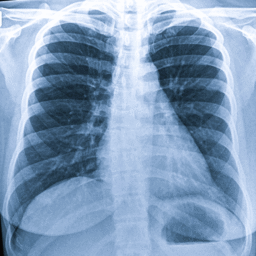

It starts with a persistent cough. Assuming it’s another bout of seasonal allergies, we reach for antihistamines instead of making an appointment with the doctor. But the cough does not go away. Soon, shortness of breath and chest pain appear. A visit to the primary care physician leads to a CT scan and then the words no one wants to hear: “You have lung cancer.”
The scenario above may be hypothetical, but it represents a very real journey that many Arkansans face. By the end of 2026, the American Cancer Society (ACS) estimates that more than 2,700 individuals in our state will receive a lung cancer diagnosis, making it one of the most commonly diagnosed cancers in Arkansas. Often referred to as a silent killer, lung cancer can grow without any noticeable symptoms. According to the American Lung Association, the signs “usually do not appear until cancer cells [have] spread to other parts of the body,” making it harder to catch it sooner when it’s easier to treat. Because lung cancer is often discovered after it has already spread, it remains America’s deadliest cancer, claiming more lives each year than colon, breast and prostate cancers combined.
Fortunately, there is some encouraging news. Lung cancer mortality rates are steadily declining in the U.S., with the ACS reporting a 4.7 percent annual drop in men and a 3.5 percent yearly decrease in women from 2014-2023. Tobacco cessation is largely credited for this progress. CA: A Cancer Journal for Clinicians pinpoints cigarette smoking as the leading risk factor for the disease, linked to approximately 80-90 percent of all lung cancer deaths. Every reduction in smoking translates into fewer future lung cancer diagnoses, making tobacco cessation one of our most effective cancer prevention strategies. By quitting smoking, studies show that patients can significantly reduce their risk of both lung cancer incidence and mortality.
We must also laud treatment advances for our strides against lung cancer. Thanks to investments in clinical research, more options are now available to those patients facing a diagnosis. Indeed, advances in clinical research in the last two decades have transformed the way we treat lung cancer. Immunotherapy and precision medicines that target specific genetic mutations are helping many patients live longer with better quality of life.
But to truly accelerate our progress against the disease, we must also promote early detection. One of the greatest opportunities to save lives comes before symptoms ever appear. Studies have shown that annual low-dose CT (LDCT) screening can reduce the risk of dying from lung cancer by about 20 percent among people at high risk. Unfortunately, the Journal of the National Medical Association (JNMA) states that the “uptake of LDCT screening among eligible smokers is suboptimal” at just 18.4 percent. The Journal of the American College of Radiology emphasizes that “under-utilization is particularly pronounced in underserved populations,” including those living in rural areas who traditionally face “poorer access to screening centers.”
Arkansas has made gradual progress in lung cancer screening. In 2015, only 2.5 percent of its high-risk population received LDCTs. The combined efforts of multiple organizations, including CARTI, over the past 10 years have led to a significant increase in uptake. According to the American Lung Association, Arkansas ranked 47th for the rate of new lung cancer cases and 33rd for lung cancer screening, at 16.6 percent in 2025. This represents a 660 percent increase since 2015, but remains far below the threshold needed to substantially reduce lung cancer mortality.
It’s why CARTI is committed to expanding Arkansans’ access to these lifesaving screenings. Through patient education and outreach, we encourage everyone who is eligible to receive an LDCT. This includes current or former smokers between the ages of 50 and 80 who are in generally good health and have a smoking history of at least 20 pack years. Just as importantly, we work with primary care providers and community partners to identify eligible patients and connect them with screening programs close to home.
Annual screening is essential. As the Journal of the National Cancer Institute notes, LDCTs are “not designed to be a one-time event” but rather a yearly examination that can detect lung cancer before symptoms develop and when treatment is most likely to be successful. By increasing awareness, expanding access to annual screening and ensuring that every eligible Arkansan can be screened, we can continue to reduce lung cancer deaths and give more patients the chance to live longer, healthier lives.
Every Aug. 1, we mark World Lung Cancer Day. But we must remember that access to early detection is vital year-round. It’s why CARTI will continue to meet patients where they are to reduce potential barriers to screening. With greater utilization of LDCT, we can dramatically improve survival rates for those facing lung cancer in our state. To find out whether you or a loved one may be eligible for an LDCT, visit CARTI.com/screening.
Sam Makhoul, M.D., is the medical director of clinical research and a board-certified medical oncologist at CARTI, a not-for-profit, multidisciplinary cancer care provider with 18 locations across the state and Arkansas’ first dedicated cancer surgery center.
Original source: us