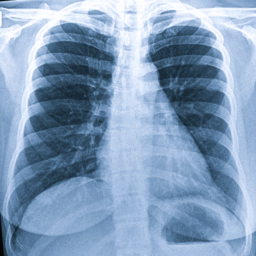

International healthcare is changing. For years, hospitals competing for international patients focused heavily on affordability. Today, what increasingly sets them apart is how quickly they can reach a diagnosis, coordinate specialist expertise, and support patients throughout their recovery. Medical tourism itself has evolved. It was once driven largely by price, with patients comparing destinations, treatment packages, and travel costs before choosing where to undergo a procedure. That is no longer the typical journey. Patients now spend considerable time researching hospitals, surgeons, and clinical outcomes before making a decision. Long before they arrive at the hospital, many have already shared their medical records, spoken with specialists, and received an initial assessment. Their first point of contact is often a physician rather than a receptionist. The patient journey increasingly begins before admission. Digital technology has reshaped how international healthcare is delivered. Medical records, imaging, and pathology reports move across borders almost instantly. Specialists can assess cases remotely, multidisciplinary teams can review treatment options before travel, and care plans are often in place before the patient leaves home. The benefit goes well beyond convenience. Better information, available earlier, allows better clinical decisions. One of the clearest changes has been the reduction in waiting times. Many international patient programs can now provide a specialist opinion within approximately four hours of receiving the necessary medical information. What previously took days, and sometimes weeks, can now happen in a single afternoon. This has not been achieved by replacing physicians with artificial intelligence. Instead, hospitals have redesigned clinical workflows so doctors can review cases and collaborate more efficiently. Speed, however, is only one part of the picture. The way patients make decisions has changed as well. People who once spent months comparing countries and hospitals are now often ready to travel within weeks. Across several large international healthcare systems, the average time between an initial inquiry and treatment has fallen to around one month, reflecting greater confidence in the information patients receive before travelling. The conversations have changed, too. Price is no longer the first topic for many patients. They are more interested in the surgeon’s experience, the number of similar procedures performed, the team’s academic and research credentials, how complications would be managed, and whether follow-up care will continue after they return home. Those questions show that patients are looking beyond the operation itself. They are assessing the strength of the healthcare system behind it. This is especially important in fields such as complex surgery, oncology, and transplantation, where outcomes depend on far more than what happens in the operating room. Multidisciplinary planning, intensive care, interventional radiology, infection control, rehabilitation, and structured follow-up all contribute to successful treatment. Increasingly, the strongest healthcare providers are those that can respond effectively when treatment becomes more complex, or recovery does not follow the expected path. For that reason, the ability to manage complications has become an important indicator of quality. Patients do not expect complications, but they do expect hospitals to be ready if they happen. Providers that offer integrated emergency services, coordinated multidisciplinary care, international follow-up, and clear communication are becoming increasingly appealing to patients travelling from abroad. Trust is earned not only through successful procedures, but through the reassurance that support will continue if recovery proves more difficult than anticipated. Leading international healthcare providers are already adapting to these changing expectations. Acıbadem Healthcare Group, for example, conducted approximately 300,000 remote second-opinion evaluations for international patients last year before treating around 55,000 people from abroad. Those numbers show that digital engagement has become far more than an administrative or marketing function. It now serves as the clinical starting point for many international patients. The hospitals that succeed in the years ahead will not simply be those known for surgical excellence. They will be the ones that combine rapid access to specialist expertise, open communication, effective complication management, and continuous follow-up into a connected patient experience. Today, the hospital experience often starts before the journey begins. Patients increasingly expect that care to continue long after they return home.
Original source: US