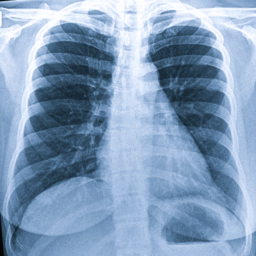

p>When one thinks of radiation-related deaths, it is reasonable to assume people working at nuclear reactors would be at the greatest risk. If not them, the second closest guess could be medicine workers in radiology. However, a new study has found some baffling results — the first spot has been earned by the flight attendants followed by the pilots.Among 500 different occupations, the two roles stood out at a high risk of radiation exposure and cancer death.Flight attendants and pilots remain exposed to cosmic radiation, high energy particles from space and the Sun, that can penetrate skin and cause genetic damage.As per the study, the flying staff on an average is exposed to 3 to 6 millisieverts per year of cosmic radiation as opposed to 0.4 millisieverts by an average flyer taking 10 cross-country round-trip flights every year, the Harvard Medical School informed..Air India Phuket-Delhi flight incident | Pilot reportedly tests positive for marijuana; airline CEO meets minister.Ranks first among 500 jobsThe study, published in the JAMA Internal Medicine, study lead Vishal Patel from Brigham and Women’s Hospital and his team investigated all death certificates from 2020 to 2024. The team studied the causes of death of people from nearly 503 occupations, investigating nearly 12.7 million deaths.The data also included 14,000 pilots and 7,000 flight attendants.They analysed radiation and non-radiation-related cancers among people from different occupations.The unexpected results showed that flying comrades were relatively at a higher risk of dying from radiation-related cancers than travelers and other on ground aviation staff.What factors did they include?The research team included some factors additional to occupation which could have contributed to mortality:Age at deathSex of the personRace and ethnicity of the personEducational backgroundMarital statusRadiation-related or non-radiation related cancers.Radiation related cancersThe study group carefully selected cancers that were primarily caused by radiation exposure.Some of them were:Breast cancerCentral nervous system affecting cancersMultiple myelomaLeukemiaLymphomaThyroid cancerProstate cancerMelanoma Other cancers.The team on purpose didn’t pay attention to cancers like lung cancer, colon cancer and others which were directly not caused by radiation exposure.What did they find?The study found that among radiation-related deaths, about 6.9 per cent accounted for flight attendants and 6.7 per cent pilots.The risk of dying from a radiation related cancer was highest among the aviation team and surpassed other vulnerable occupations like a nuclear technologist or a radiologist.However, the study cautions that the cancers taken into consideration were predominantly more frequent in the flying staff.The study did not equate flying to developing cancer, it only highlights the association between cumulative radiation exposure and increased risk of having certain cancers linked to radiation.It also acknowledges that other factors like past medical history, lifestyle choices, erratic sleeping patterns and the circadian dysfunction (body’s natural clock) which is common among people who experience frequent jet lag, could individually contribute to someone developing cancer and dying from it. What causes radiation exposure?Speaking to The Times magazine, the lead researcher, explained that a commercial plane flies at an altitude of 30,000 feet above sea level. At this point, the atmosphere becomes too thin to prevent the energetic, fast-moving energy particles coming from the space.Hence, there lies a real risk of this cosmic radiation penetrating inside the body, ionizing genetic material and causing cancer.While passengers are mostly exposed to very little doses of this radiation, the experts warn about the cumulative effect of this radiation on daily flyers.As per experts, this may require some standard monitoring practices by the authorities to ensure the flying staff is safe from excessive radiation.</p
Original source: in