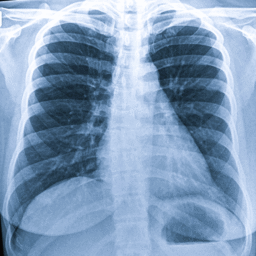
Human error was identified as the main cause of almost three-quarters of significant radiation safety incidents reported to Ireland’s health regulator last year, including failures during scans and radiotherapy.
The Health Information and Quality Authority (Hiqa) received 144 notifications of significant events involving medical exposure to ionising radiation in 2025, a slight decrease from the 145 reported in 2024.
The largest number of incidents occurred in computed tomography (CT), which accounted for 97 cases, or 67.4pc of notifications.
Radiotherapy accounted for 17 incidents and general radiology for 16, while the remaining cases involved nuclear medicine, PET/CT, dental imaging, interventional radiology and other procedures.
The most frequently reported type of incident involved an incorrect procedure.
This accounted for 39 of the diagnostic imaging incidents and seven of those reported in radiotherapy.
Of the incidents reported last year, 107, or 74.3pc, were attributed by healthcare providers to human error. Hiqa pointed out that this does not generally mean an individual was at fault, but rather that human actions or omissions contributed to an incident.
The most common contributing factor was staff not following established policies, procedures or guidelines, which was identified in 62 incidents, or 43.1pc of all notifications.
Radiation exposure does not automatically mean that a person has been injured, and the health impacts depend on the dose and the circumstances of the exposure.
At the relatively low doses typically associated with diagnostic imaging, the principal concern is a small increase in the long-term risk of cancer.
The Overview Report on the Regulation of Medical Exposure to Ionising Radiation in 2025 shows continued improvement in compliance with the regulations to protect people from the potential risks associated with medical radiological procedures.
The level of non-compliance identified decreased from 5pc in 2024,” highlighting the importance of ongoing monitoring and engagement with facilities to promote compliance and protect people undergoing medical radiological procedures.
“Eleven of these facilities had been inspected previously, allowing Hiqa to monitor ongoing compliance and follow up on previous findings and compliance plans,” it said.
Hiqa’s head of healthcare John Tuffy said:“Since becoming the competent authority for medical exposures to ionising radiation in 2019, HIQA has continued to observe improvements in compliance, demonstrating the value of sustained regulatory oversight.
This report reflects our commitment to working with services to drive improvement and ensure that people undergoing medical radiological procedures are protected from unnecessary exposure to ionising radiation
Original source: ie