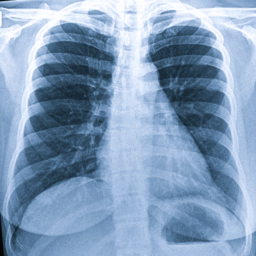

When Shashi Tharoor recently ran into Anupam Kher at a Beverly Hills medical imaging clinic, there was an unusual reason for the coincidence: both were there for full-body scans. Tharoor later explained that he could more easily spare the four hours required while in Los Angeles.
The encounter also put the spotlight on a health check that is increasingly marketed as a way of looking for disease before symptoms appear. It sounds compelling. Lie in a scanner for a few hours and emerge with a detailed look inside your body. But does looking for everything necessarily leave you better informed?
Not always.
What does a full-body scan actually mean?
First, a “full-body scan” is not one standardised medical test. Commercial health-screening programmes may offer whole-body MRI, sometimes alongside CT scans, ultrasound or other investigations. The tests differ considerably in what they can detect, how they are performed and the risks they carry.
Whole-body MRI has one obvious advantage: unlike CT, it does not expose the patient to ionising radiation. It can reveal structural abnormalities in several parts of the body, including some solid tumours, enlarged lymph nodes, liver and kidney lesions, abnormalities in the brain, and lesions involving bone and soft tissue. Depending on the protocol, some vascular abnormalities may also be picked up.
And occasionally, it finds something important.
A 2026 systematic review and meta-analysis involving 9,024 asymptomatic people found that whole-body MRI detected a confirmed cancer in about 1.57 per cent of those screened. That is a meaningful finding for the people concerned. But the same review cautioned that protocols were not standardised and that long-term outcome and cost-effectiveness data remain lacking.
A clear scan is not an all-clear
The phrase “full body” can create a false sense of completeness. No scan can reliably rule out every disease or every cancer.
Whole-body MRI is less effective for some very small lung lesions and early cancers in certain organs. Nor does it replace screening tests designed and validated for particular diseases.
Women who are eligible for mammography still need mammography. Cervical screening remains important. People who meet the criteria for colorectal screening still require the appropriate stool tests or colonoscopy, and eligible high-risk smokers may need low-dose CT screening for lung cancer.
The same applies beyond cancer. Blood pressure, diabetes, cholesterol and other metabolic and cardiovascular risks require a clinical assessment and, where appropriate, blood and urine tests. A beautiful set of images cannot tell you everything your blood pressure cuff or HbA1c can.
When finding more creates another problem
The bigger dilemma with whole-body screening is not necessarily what it misses. It is what it finds.
Our bodies acquire cysts, nodules, scars and other anatomical peculiarities, many of which will never make us ill. Put a healthy person through sufficiently detailed imaging and there is a good chance something unexpected will appear.
A systematic review of 5,373 asymptomatic people found critical or indeterminate incidental findings in about 32 per cent, although the rate varied substantially according to the scanning protocol.
Another review found abnormalities of some kind in 95 per cent of people screened. About 30 per cent had findings that led to recommendations for further investigation, while cancer was suspected in fewer than 2 per cent.
This is the problem of the incidentaloma, the medical shorthand for an unexpected abnormality discovered while looking for something else. Once one appears on a report, it can be difficult simply to ignore it.
A questionable nodule may mean another scan three months later. A lesion may lead to an ultrasound, specialist consultation, endoscopy or biopsy. Most investigations will ultimately bring good news, but getting there can involve expense, anxiety and, in the case of invasive tests, physical risk.
Then there is overdiagnosis, which is subtly different from a false positive. In overdiagnosis, the abnormality is real, but it would never have progressed sufficiently to cause symptoms or shorten the person’s life. Detecting it can therefore turn a healthy person into a patient without necessarily improving their health.
More information is not always better screening
The crucial question in screening medicine is not simply, “Can this test find disease?” It is whether screening people who have no symptoms ultimately helps them live longer or healthier lives.
That evidence has not yet been established for routine whole-body MRI screening of healthy, average-risk adults. The American College of Radiology says there is insufficient evidence to recommend total-body MRI for people without symptoms, relevant risk factors or a suggestive family history. It also warns that non-specific findings can trigger unnecessary testing, procedures and expense.
That does not make whole-body MRI a useless technology. It has established clinical applications and may be appropriate in particular high-risk groups or circumstances. The question is whether it should become a routine annual hunt for hidden disease in everybody. At present, the evidence does not support that leap.
For someone considering such a scan, the useful conversation therefore begins before entering the machine: What is my age? What diseases run in my family? Do I have symptoms or genetic risks? Which established screening tests am I actually due for? And, importantly, what will we do if the scan finds something uncertain?
The author is a metabolic physician and diabetologist at Dr LH Hiranandani Hospital, Powai
Original source: in