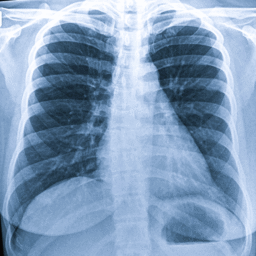
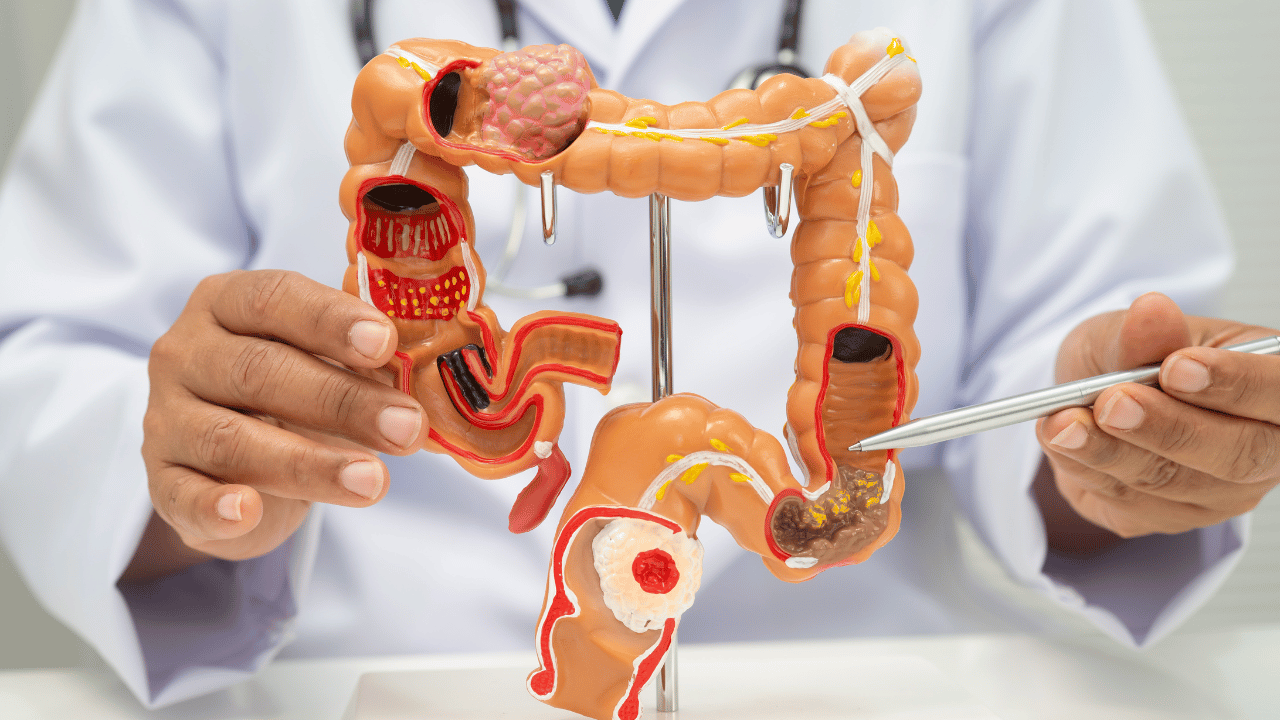
A 76-year-old woman diagnosed with jejunal adenocarcinoma, a rare cancer of the small intestine, underwent a complex surgery involving the small intestine, colon and liver after presenting with severe weakness, abdominal discomfort, recurrent vomiting and a fainting episode.Investigations revealed profound anaemia due to continuous internal blood loss, requiring multiple blood transfusions. Further evaluation with PET-CT identified a tumour at the duodenojejunal flexure, partially obstructing the intestine while extending into a nearby segment of the colon. Two small liver nodules were also detected, indicating limited metastatic disease. The case was reviewed by a team comprising gastrointestinal surgeons, surgical oncologists, medical oncologists, radiologists, anaesthetists, pathologists and critical care specialists. Considering the ongoing bleeding, bowel obstruction and limited liver involvement, surgery was recommended.During the procedure, surgeons found that the tumour involved the duodenum, jejunum and part of the colon while lying in close proximity to major blood vessels and surrounding organs. An en bloc resection of the affected bowel segments and colon was performed along with removal of the two liver nodules. The digestive tract was subsequently reconstructed through a duodenojejunostomy, restoring gastrointestinal continuity. The patient recovered well after surgery, resumed oral feeding within a few days and was discharged in stable condition.Dr Vivek Tandon, Director, GI Surgery, GI Oncology and Bariatric Surgery, Gastrosciences, Medanta Noida said, “Jejunal adenocarcinoma is an uncommon cancer that often presents late because its symptoms are vague and easily mistaken for other gastrointestinal disorders. Successful management requires early diagnosis, meticulous surgical planning and precise execution. In this case, despite the tumour’s proximity to vital blood vessels and adjacent organs, careful surgical strategy enabled complete removal while preserving critical anatomy. This case demonstrates that even highly complex gastrointestinal cancers can be treated safely with the right expertise.”Dr Deepak Govil, Director, GI Surgery, GI Oncology and Bariatric Surgery, Gastrosciences, Medanta Noida, added, “Cancer care today is no longer about surgery alone. Every complex case benefit from multidisciplinary decision-making, where specialists from different disciplines collectively determine the most appropriate treatment strategy. The patient’s limited liver metastases made surgical removal feasible, and close collaboration between surgical oncology, gastrointestinal surgery, anaesthesia, radiology and critical care helped achieve an excellent clinical outcome. Such integrated care significantly improves patient safety and long-term outcomes.”Jejunal adenocarcinoma is among the rarest gastrointestinal cancers and often goes undiagnosed until it reaches an advanced stage because of its non-specific symptoms. This case highlights the importance of timely diagnosis, multidisciplinary planning and advanced surgical management in achieving favourable outcomes, even in technically challenging cases with limited metastatic disease.
Original source: in