
Maryland was one of the most active U.S. states on AI policy in 2025. The General Assembly advanced multiple AI‑related bills and strategic planning initiatives, focusing on consumer protection, state government AI use, ethical standards, algorithmic discrimination, education impacts and long-term AI governance.
The application of AI in life sciences and medtech innovation could be a model for other fields. Maryland is a thriving hub for advanced health care and research and development. It’s no surprise that Marylanders are already using AI to achieve results for patients, with additional tremendous potential to transform and save lives.
AI applications in medtech break down into three broad areas: (1) clinical applications, such as those that help doctors reach conclusions about diagnosis and treatment or perform surgeries with precision; (2) health care administration and workflow management, such as appointment scheduling and transcribing medical notes; and (3) research and development tools enabling sophisticated modeling and analysis.
Clinical medtech — the devices serving patients and doctors — is already well-regulated by the Food and Drug Administration (FDA), and has been for decades. The FDA has authorized over 1,300 AI-enabled medical devices, with many more expected. The agency applies the same rigor to evaluate for safety and effectiveness for any medical device with an AI application as it does for any device without one.
This isn’t to say federal laws and regulations are perfect. In fact, they can be updated to promote the capacity for continued AI innovation to serve patients: for example, modernizing privacy laws to ensure patient privacy remains protected while providing the vast anonymized data sets that make AI applications smarter and more effective.
That work is important because AI is already making a positive difference in patient care, with much more to come.
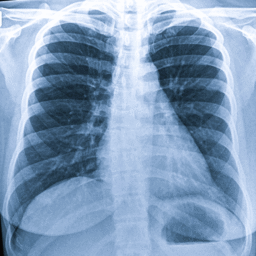
Medical imaging, including radiology — X-rays, mammograms, computed tomography, magnetic resonance imaging (MRI) and ultrasound — is a prominent area for AI diagnostic tools. Occasionally, the utility of these tools raises concerns of AI replacing the human expert radiologist.
To the contrary, AI is designed to help the human expert as a powerful computing tool — another set of smart eyes. The radiologist, not the computer, decides how to interpret and act on the findings. As a major outpatient radiology provider puts it, in describing the role of AI-enabled MRI screening for prostate cancer, “It is like having hundreds of experts supporting the radiologist.”
Or as another radiology leader said, “The future of radiology hinges on embracing the radiologist’s role as the clinical information expert. To realize this vision, we must focus on building intelligent connections — human to human, human to tech and tech to tech.”
Exciting developments in AI extend beyond radiology, including via local experts.
A Johns Hopkins University team is developing a low-cost, accurate, non-invasive test for diagnosing anemia using AI processing. This tool could be a game-changer in underserved areas, where maternal health, including complications from anemia, is a big concern. A clinician would receive the test results and treat the patient as needed.
A Johns Hopkins professor was named a WebMD Health Hero for her AI tool that has reduced the risk of sepsis-related deaths in hospitals by 20%. The tool alerts clinicians of early sepsis warnings so they can act. Her invention is saving lives in hospitals nationwide.
A recent study in The Lancet shows how AI is transforming breast cancer screening and potentially saving lives. The study shows a 29% increase in cancer detection when AI is used to support screening without increasing false positives. The findings also show that the AI-supported screening clearly detected more invasive cancers at an early stage.
The point of these many examples: Experts are designing AI-enabled health tech to serve patients with faster, more accurate diagnoses. More targeted treatments and surgeries. Less invasive procedures. Fewer unnecessary tests. Easier recovery and shorter hospital stays.
It’s inspiring and reassuring to consider how many computer scientists, engineers, doctors, including radiologists, and clinical researchers are devising brilliant AI applications to improve health. Maryland has a wealth of experts leading the charge, from medtech company leaders to innovative academic institutions to the FDA, when it’s time to evaluate whether a product is safe and effective for patients.
As Maryland regulators and workgroups continue to explore AI use in consumer protection, data privacy and the risks of AI misuse in 2026, including bias, misinformation and automated decision‑making harms, preserving human decision-making in AI applications is fundamental to success. As another Johns Hopkins expert said, “Whenever people tell me they’re afraid of AI, I always tell them to think of AI like a computer program. The idea that AI is something that we can’t control — that’s just not true. These are computer programs and technologies that we build, and we decide where and when we use them.”
The future of AI-enabled medtech is exciting, and indications are that Maryland’s expertise will continue to lead the way in health care applications and anywhere else AI could improve public service.
Peter Shen is global head of commercial operations and senior adviser for digitalization and AI at Siemens Healthineers, a leading medtech company pioneering breakthroughs in health care. He earned his degree in biomedical engineering from Johns Hopkins University, where he was named a Johns Hopkins Leadership Fellow and serves on the board of advisers for Biomedical Engineering and the Artificial Intelligence and Technology Collaboratory for Aging Research.
Original source: us