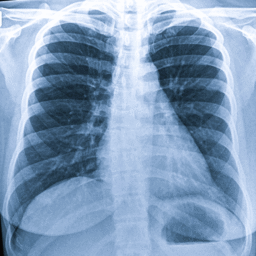
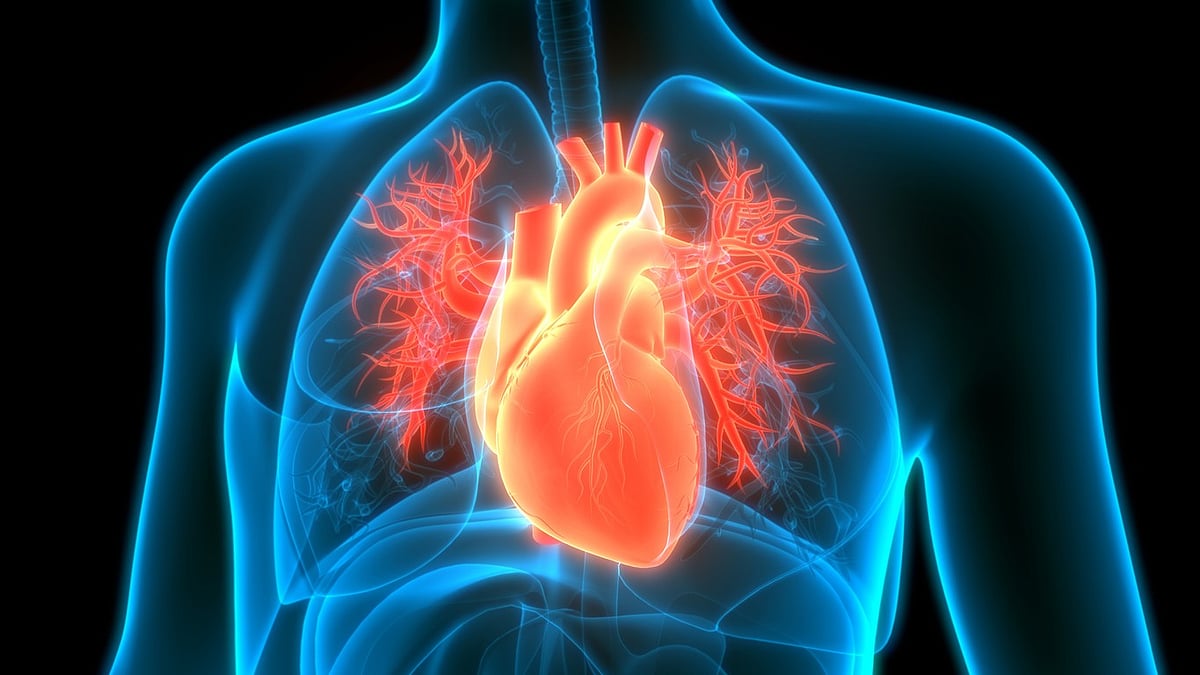
p>Japanese researchers have developed a fast, low-radiation X-ray technique that can detect severe health complications, with a 93 per cent accuracy, within seven seconds. Researchers at Kyushu University developed this rapid X-ray, and findings of the same were published in the Journal of Radiology, on May 4. This method targets pulmonary regurgitation (PR), a condition where blood leaks backward through the pulmonary valve (valve that manages blood flow in the heart). It is one of the most common long-term complications for patients who undergo surgery to correct Tetralogy of Fallot (TOF), the most frequent cyanotic congenital heart defect, affecting roughly 1 in 3,500 newborns.More than 90 per cent cases of TOF are now treatable and people seeking treatment survive into adulthood. But if left undetected, the heart issue can worsen over time, raising the risk of sudden heart attack. Currently, magnetic resonance imaging (MRI) is a widely used technology to monitor PR. However, it is expensive, requires specialised facilities and cannot be used in patients with certain pacemakers or defibrillators, or those with claustrophobia.Researchers have adopted a technique called dynamic chest radiography (DCR), which uses conventional X-ray equipment to capture a rapid sequence of chest images while the patient holds their breath. “In patients with PR, blood flows back into the right ventricle during each heartbeat,” lead author and assistant professor Yuzo Yamasaki explained. “The more severe the regurgitation, the more prominent the waveform.” With this technology, instead of just looking at the picture, a computer tracks how the pixel brightness changes over the pulmonary arteries as the heart beats. It turns these changes into a waveform (a wavy line graph). If the valve is leaking badly, more blood flows backward, which makes the wavy line much more prominent.The implications of this technology potentially extend beyond TOF. Experts noted that it can be a cheaper alternative that can help diagnose conditions such as heart failure and pulmonary hypertension, both witnessing a rising incidence globally. </p
Original source: in