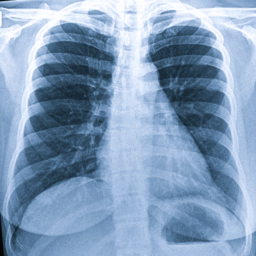

Patients across North Wales face “dangerous” delays to cancer diagnosis and treatment due to a worsening shortage of radiologists and specialist doctors, a report has warned. New workforce data from the Royal College of Radiologists reveals Betsi Cadwaladr University Health Board is trapped on the frontline of a stark geographic divide, with North Wales set to face some of the worst shortages in the UK, the RCR says. For the first time, radiology leaders in Wales have warned the worsening shortage of radiologists and cancer doctors is causing “dangerous” delays to diagnosis and treatment for patients across Wales, the RCR says. According to the RCR data, the shortage of radiologists in North and West Wales stands at 42 per cent—double the 22 per cent shortfall seen in South Wales. Sign up for the North Wales Live newsletter sent twice daily to your inbox The gap is even more severe for clinical oncologists, who treat cancer patients. North Wales suffers from a 39 per cent shortage of these vital doctors, nearly four times higher than the 11 per cent deficit reported in South Wales. A cancer centre leader warned: “[Staff shortages are causing] delays in patients starting both chemotherapy and radiotherapy treatment.” Another added: “Workforce shortages in diagnostics especially radiology and pathology are critical and lengthening pathways which is leading to patient harm.” The crisis is being compounded by a doubling of recruitment freezes, which now affect 57 per cent of Welsh radiology departments—the highest rate of any UK nation. Health leaders have branded these bans on permanent hiring a “false economy” that forces health boards to rely on expensive temporary staff. A radiology clinical director said: “There is an effective freeze on retention and recruitment of all staff …I am concerned that, even though the trust has prioritised cancer performance, they fail to understand that supporting CT, in particular, and recruiting the radiologists to report the scans, attend multidisciplinary team meetings, and do the biopsies are essential if we wish to improve our cancer performance.” Another cancer centre leader noted the immediate local impact, stating: “Recruitment freeze and removal of 25% of radiography and physics posts has directly resulted in a 10-week waiting time for radiotherapy.” A third radiology clinical director warned: “Significant delays in [scan] acquisition and reporting of a wide range of patients have negatively impacted prognosis, potential treatment options and resulted in harm.” The Pan-Wales analysis shows the entire nation is struggling, with NHS Wales short of 88 radiologists and 13 clinical oncologists to meet current demand. This comes as 30 per cent of the nation’s clinical oncologists are set to retire within five years. In December 2025, 50,000 people across Wales were waiting over eight weeks for a diagnostic test, while only 61 per cent of cancer patients started treatment within the target 62 days. To mask the gaps, Wales spent £14 million in 2025 on outsourcing, overtime, and locums—enough to fund 113 permanent consultant salaries. Dr Stephen Harden, President of the Royal College of Radiologists, said: “For the first time, our census shows that patients’ conditions are deteriorating because of workforce shortages. Delays to diagnosis and cancer treatment are extremely dangerous, particularly in deprived and rural communities where shortages are worst. “Despite our members’ extraordinary efforts, we simply don’t have enough clinical radiologists and clinical oncologists to meet rising demand. Recruitment freezes and growing reliance on outsourcing are making the situation worse not better. “Alarm bells should be ringing for governments across the UK. Without urgent action to train, recruit and retain more doctors, more patients will suffer.” BCUHB has been asked to comment. Join the North Wales Live WhatsApp community group where you can get the latest stories delivered straight to your phone
Original source: gb