Hong Kong aims to reduce the risk of premature deaths from some major chronic diseases to 6.9 per cent by 2030 by investing heavily in primary healthcare and prevention, authorities have said.
Delivering his annual policy address and the city’s first five-year plan, Chief Executive John Lee Ka-chiu on Wednesday also unveiled plans to develop the city’s first integrated ambulatory care hospital at the Queen Elizabeth Hospital site in King’s Park after its relocation to Kai Tak.
The facility will offer high-volume cataract surgery, radiology and radiotherapy services to shorten patient waiting times.
“We will strive to make the healthcare system more sustainable to better cope with an ageing society, the increasing prevalence of chronic diseases and the development of innovative drugs and medical devices, thereby strengthening the role of the public healthcare system as a safety net for all,” he said.
Under the five-year plan, the government aims to reduce the risk of premature mortality, defined as the unconditional chance of dying between ages 30 and 70 from cardiovascular diseases, cancers, diabetes and chronic respiratory diseases, from a baseline of 7.3 per cent in 2024 to 6.9 per cent in 2030.
A key focus is enhancing primary healthcare services, including increasing cumulative membership at district health centres from 600,000 as of the end of June to 1 million over the next five years. Of these, 700,000 will receive services under the co-care network, such as cancer screening and chronic disease management.
Authorities will also steadily increase resource allocation to primary healthcare programmes, with an estimated 30 per cent rise from current levels by 2030-31, to promote systematic preventive care through a life-course approach.
The life-course preventive care plan, built on a family medicine model, will provide residents across different life stages with screening for chronic diseases and cancers, as well as age-specific health advice, to enable early prevention, identification and management.
The policy address outlined further measures to strengthen the primary healthcare system, including providing about 220,000 additional family medicine outpatient service spots annually from next year, including 10,000 reserved for evening slots.
The cataract surgery centre is also set to begin operations in the fourth quarter of next year, providing 5,500 procedures annually. The waiting time for the 90th percentile of patients is expected to fall to 18 months by 2032, down from 32 months.
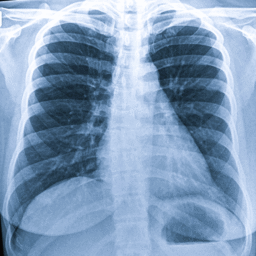
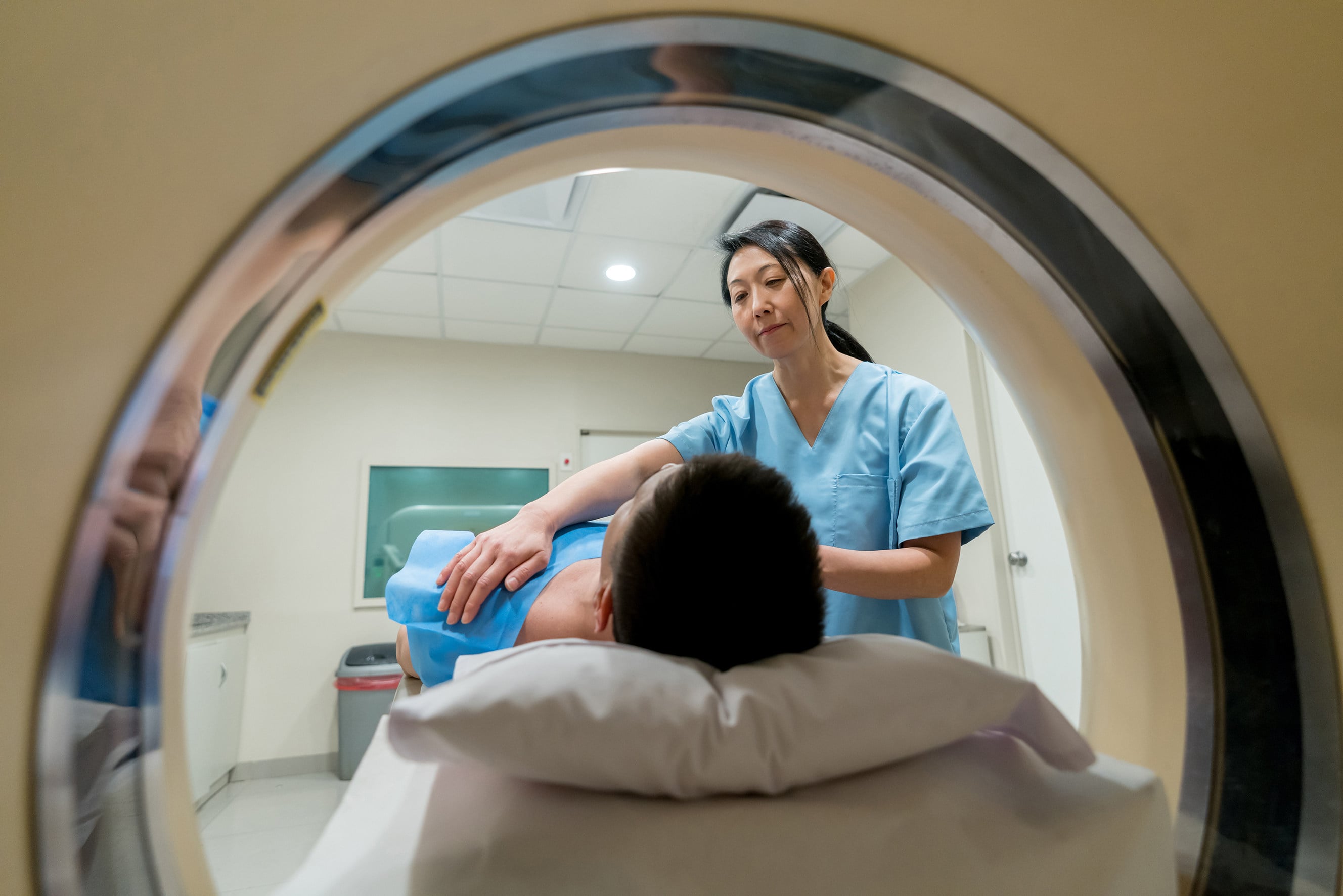
For computed tomography (CT) and magnetic resonance imaging (MRI), service capacity will increase by about 40 per cent compared with general facilities, with AI-assisted annotation and triage at the radiology centre.
Increased capacity at the radiotherapy centre will also accelerate treatment procedures for cancer patients.
A government source said radiology and radiotherapy services would begin to be offered in the first half of next year, with the radiotherapy centre treating 11,300 patients annually, and those in the Kowloon West hospital cluster expected to benefit first.
On cancer management, the insider said the city would set up three cancer centres in Kai Tak, Kowloon East and King’s Park.
Since January, 16 new innovative drugs, including seven cancer treatments, had been added to the Drug Formulary used by public hospitals.
Meanwhile, 27 drugs had their indications broadened to benefit more patients, including 14 for cancer, the source said.
The Hospital Authority has also set a target to halve waiting times for first consultations for stable new cases across seven specialist services over five years, with a 10 per cent reduction targeted in 2027-28 in the first phase.
The seven specialities covered include psychiatry, surgery, ophthalmology and gynaecology.
To achieve this, the authority would avoid unnecessary referrals and divert stable cases to primary healthcare facilities for follow-up consultations, alongside enhancing service capacity, Lee said.
Original source: cn