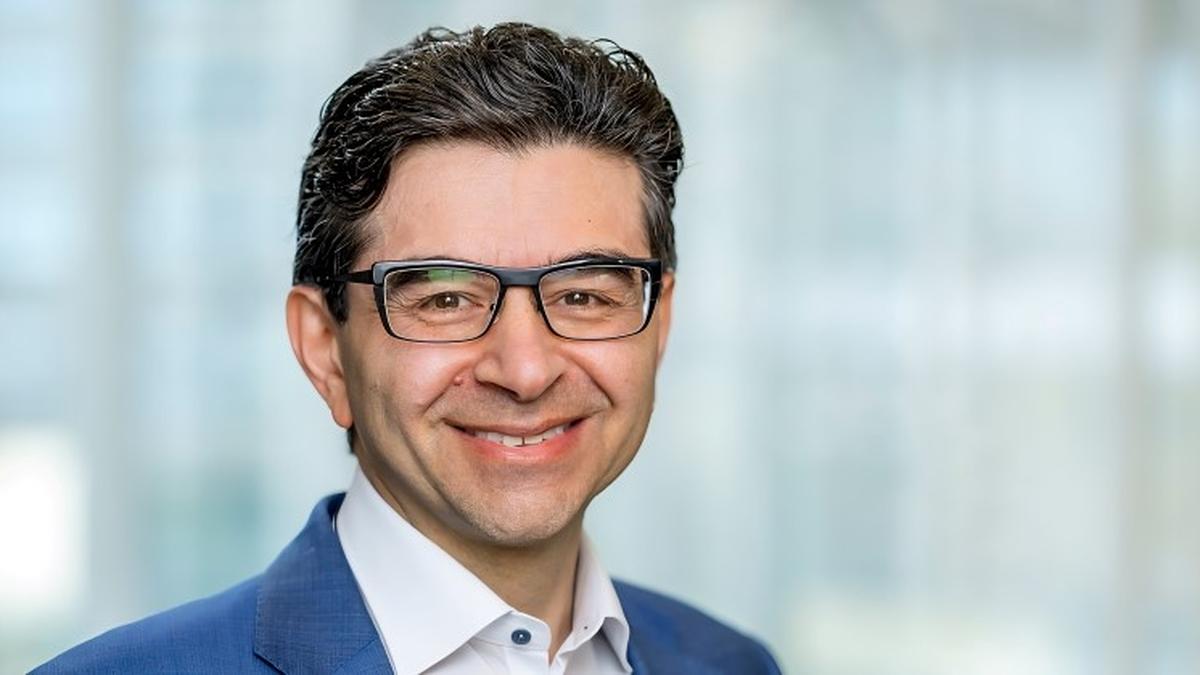
India is fast emerging as the nerve centre of Philips’ global healthcare innovation engine, with the company’s Bengaluru hub driving some of its most critical AI-led programmes, said Shez Partovi, Chief Innovation Officer and Chief Business Leader of Enterprise Informatics at Royal Philips, in an exclusive interview to businessline.
Philips has around 8,000 employees in India, a figure Partovi referenced, with nearly 4,500 based in its Bengaluru innovation hub.
The India hub is leading the development of key global platforms, including cloud-based radiology software used worldwide, and is at the forefront of Philips’ push towards autonomous imaging. The company’s ambition to build near self-driving MRI systems, requiring minimal human intervention, is being led out of India, underscoring the shift in its global innovation footprint.
This comes at a time when Philips is doubling down on artificial intelligence to address structural challenges in healthcare, including staff shortages, rising costs, and limited access. Partovi said AI is now embedded “everywhere” across Philips’ portfolio, from imaging systems to patient monitoring and even consumer health products, primarily to automate workflows, augment clinicians, and improve system agility.
India’s healthcare context makes it a particularly relevant testing and scaling ground for such solutions. With a high disease burden and gaps in access, AI-led automation can help extend care to underserved regions while improving efficiency in urban centres.
Partovi also pointed to India’s potential to leapfrog more developed markets in AI adoption, given its relatively forward-leaning policy environment and willingness to experiment at scale. “Countries like India have an opportunity to move faster, especially in deploying AI-led healthcare solutions,” he said.
As Philips continues to see nearly half its revenues come from products launched in the last three years, India’s role is only expected to deepen, both as an innovation hub and as a proving ground for scalable, AI-driven healthcare models.
Published on April 22, 2026
Original source: in