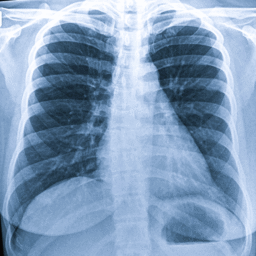

One of the most complicated and difficult diseases that are known to medicine is cancer. It is caused by the emergence of uncontrollable growth of abnormal cells in the body and their increase in size to invade the nearby tissues or organs. As opposed to the normal cells, which grow, divide and die in a controlled mechanism, cancer cells keep dividing even when they are not required, creating tumors or invading the blood and lymph systems.
What Causes Cancer?
There is no single cause of cancer. Rather it is a product of genetic, environmental and lifestyle factors. A few of the most prevalent causes and risk factors are:
Genetic mutations: Genetic mutations are inherited or acquired mutations of particular genes that may lead to an increase of cancer development.
Tobacco consumption: Tobacco is the number one cause of preventable cancers across the globe such as lung, throat, and bladder cancers.
Radiation exposure: DNA damage can be caused by both the ionizing radiation (e.g. X-rays) and ultraviolet radiation of the sun.
Poor diet and overweight: The consumption of processed food, red meat, and sugar may predispose a person to a number of cancers.
Infections: HPV, hepatitis B and C, as well as H. pylori, are some of the viruses and bacteria that are associated with certain types of cancer.
Although these risk factors are the key factors, one should always bear in mind that the cancer might be developed in people who do not have any specific reason to make it possible, this is why the regular medical check-ups are crucial.
Common Types of Cancer
Cancer has more than 100 types that are classified according to their location of origin in the body. The most popular ones are:
Breast cancer: It is one of the most common cancers, which is usually detected during screening by mammography of women.
Lung cancer: It is commonly related to smoking, although it may also be caused by environmental pollutants and may be experienced in non-smokers.
Prostate cancer: This is a disease that afflicts men but is normally detected by PSA blood tests conducted in old age.
Colorectal cancer: This cancer develops around the colon or the rectum and in most cases, it starts as polyps which may progress into cancer.
Skin cancer: This is brought about mainly by sun or tanning bed radiation which is of ultraviolet (UV) nature.
The behaviour of every type of cancer is different and the results of treatment are determined by factors like the way of early detection, the stage of cancer and its overall health status.
How Cancer Is Diagnosed
Early diagnosis is critical to increasing the chances of survival of cancer. The diagnosis usually entails a number of steps, which include:
Imaging Medical imaging MRI, CT, PET, and ultrasound, aid in the detection of abnormal growth of tissues.
Biopsies: A small tissue sample or cell is evaluated under a microscope so as to ensure the presence of cancer cells.
Blood tests: depending on the type of treatment or the reaction to it, some markers or proteins can suggest the presence of cancer or track the progress.
Genetic testing: Assists in discovering hereditary cancer syndromes, which can be monitored and corrected.
In Liv Hospital the use of multidisciplinary teams and advanced diagnostic tools are integrated to promote early and accurate diagnosis of cancer.
The Contemporary treatment of cancer
The treatment of cancer has changed significantly during the last decades. The patients at the Liv Hospital’s Cancer Center are treated using personalized treatment plans along with the latest medical technologies and evidence-based treatment. The main approaches include:
Surgery: The tumor and the surrounding tissues are removed, and it is frequently the initial step of treatment.
Chemotherapy: This is the use of drugs to kill cancer cells or prevent their division.
Radiation therapy: This is a high-energy radiation treatment in which the radiation is sent to destroy cancer cells with minimum destruction to normal tissues.
Immunotherapy: Strengthens the immune system of the body to recognize and destroy cancerous cells.
Targeted therapy: It involves the use of drugs which interfere with cancer growth by means of molecular processes.
Stem cell transplantation: It is especially applied in the blood-related malignancies such as leukemia and lymphoma to reconstruct bone marrow.
Liv Hospital implements these therapies with the help of a multidisciplinary oncology board where specialists in surgery, radiology, pathology, and medical oncology will co-ordinate and create the most efficient and least invasive treatment program to each patient.
Creative Cancer Care in Liv Hospital
Liv Hospital is also one of the most prominent facilities in Turkey that provides an extensive service of cancer treatment. With a focus on patient-centered care, the hospital integrates innovative medical technologies, including robotic surgery, molecular diagnostics, and precision oncology, with the most advanced medical technologies. The international patients have access to the best in the world facilities, English-speaking medical team and tailor-made care programs during their treatment process.
The strategy of the hospital is anchored on three major pillars:
Precision Medicine: Genetic and molecular profiling will personalize the treatment according to the unique characteristics of the cancer of individual patients.
Holistic Support: Psychological counseling, nutrition education, and follow-up in the process of treatment are all part of holistic care.
High-level Infrastructure: Sophisticated cancer treatment facilities that are armed with current diagnostic imaging and radiotherapy facilities are safer and more effective.
Regardless of the patient being their local or international clients, Oncology Department at Liv Hospital is determined to provide innovative, ethical, and evidence-based cancer treatment.
Living Beyond Cancer: Survivorship Quality of Life
It is not only surviving cancer but recovering health, confidence and emotional wellbeing. The rehabilitation programs at Liv Hospital are offered to patients after the treatment to control the long-term side effects and to resume the active life. These programs can involve physiotherapy, mental support and nutrition to enhance recovery and general wellness.
Additionally, the hospital upholds cancer prevention and awareness in the community by organizing regular public health programs, free screening programs, and risk factor modification education. Such preventive measures are important to minimize the rates of cancer and enhance the survival in the long term.
Innovation, Compassion, Opportunity
Millions of people around the globe are impacted by cancer, however, with scientific progress and early detection methods, an increasing number of patients can dedicate longer and healthier lifespans after diagnosis. Organizations such as Liv Hospital are on the forefront of transforming lives by being innovative, compassionate, and caring. It may be the diagnosis, treatment or continued care but in whichever case, Liv Hospital gives the patients all the opportunities to conquer cancer and regain their quality of life.
Disclaimer:
This article is from the Brand Desk. User discretion is advised.
Original source: in