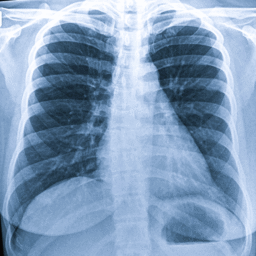
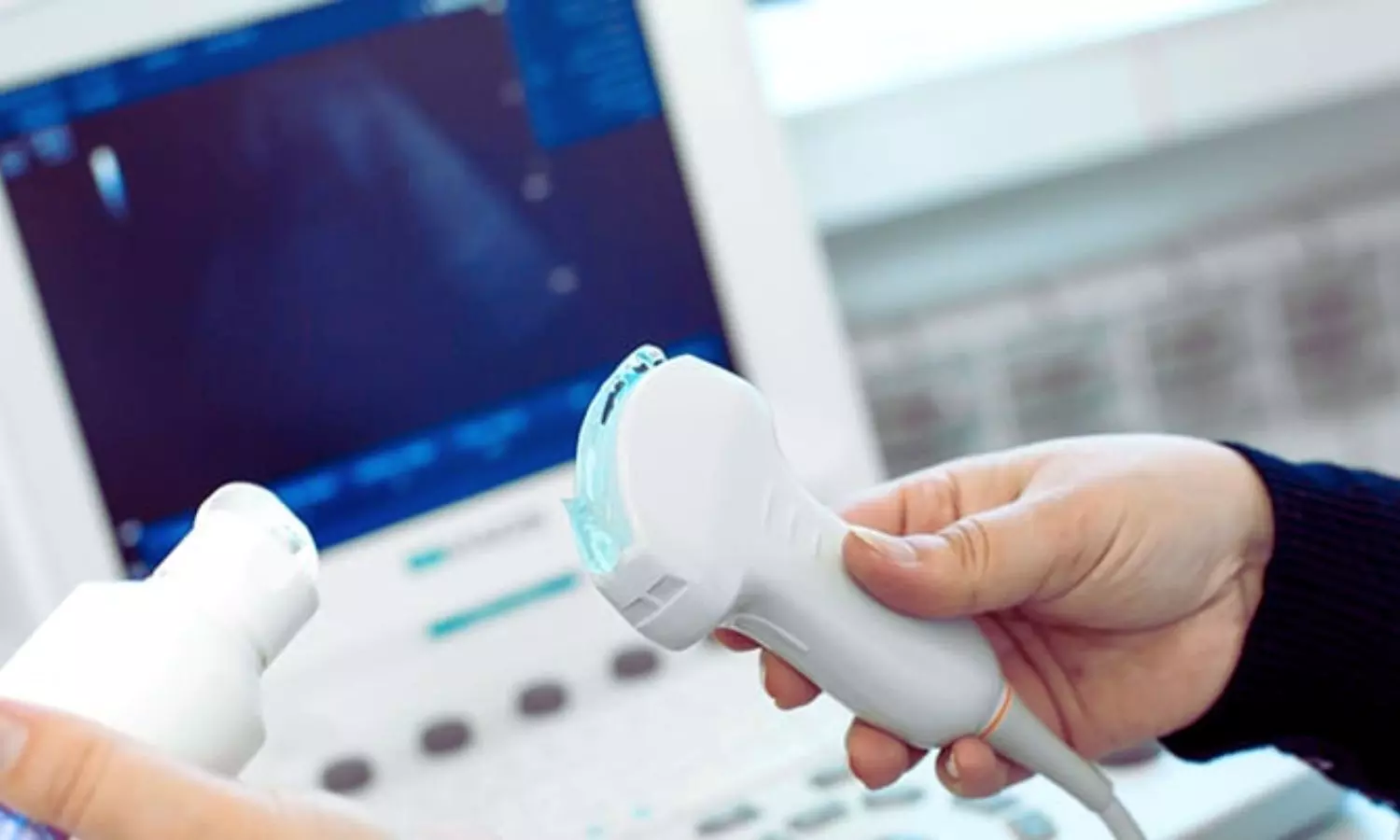
Egypt: Researchers have found in a new study that POCUS demonstrates high sensitivity, specificity, and overall diagnostic accuracy for identifying causes of dyspnea in emergency settings. It also significantly reduces the time to final diagnosis and initiation of definitive management compared with radiography. A new study published in Respiratory Medicine highlights the growing value of point-of-care ultrasound (POCUS) as a frontline diagnostic tool for patients presenting with acute shortness of breath in the Emergency Department. Conducted by Mohamed Saied Hamza Yousef and colleagues from the Department of Emergency Medicine, Cairo University, the research reinforces that bedside ultrasound can rapidly and reliably pinpoint the underlying cause of dyspnea, offering an advantage over traditional radiography.Acute dyspnea is among the most frequent and challenging symptoms encountered in emergency settings. While chest X-ray remains the conventional first investigation, its turnaround time can delay definitive diagnosis and treatment. POCUS, on the other hand, provides immediate bedside imaging, enabling clinicians to differentiate between conditions such as pneumonia, pulmonary edema, interstitial lung disease, and obstructive airway exacerbations within minutes.The cross-sectional study evaluated 79 adults who arrived at the emergency department with acute dyspnea. Each patient underwent POCUS followed by radiographic imaging, allowing the team to directly compare the diagnostic performance of bedside ultrasound with standard radiology. The study led to the following findings:POCUS showed excellent diagnostic accuracy across multiple respiratory conditions.It achieved 100% sensitivity, specificity, and overall accuracy for diagnosing interstitial lung disease and pleural effusion.For pneumonia, POCUS demonstrated 96.3% sensitivity, 90.4% specificity, and 92.4% diagnostic accuracy.In assessing COPD and asthma exacerbations, POCUS showed 91.3% sensitivity, 96.4% specificity, and nearly 95% diagnostic accuracy.Although slightly less sensitive for pneumothorax and pulmonary edema, POCUS maintained high specificity (98.6% and 100%) and strong diagnostic accuracy (97% and 91%).Radiological findings closely aligned with POCUS in 97.7% of cases.The average time to diagnosis was significantly shorter with POCUS (16 minutes) compared with radiography (84 minutes).The reduced diagnostic time with POCUS supports faster clinical decision-making and earlier initiation of definitive treatment in emergency settings.The authors conclude that POCUS is not only accurate but also a highly efficient bedside tool that can streamline the diagnostic process in emergency settings. They note that by rapidly identifying the cause of acute dyspnea and expediting management decisions, it has the potential to reshape triage and early intervention strategies for respiratory emergencies.Reference:Hamza Yousef, M. S., AL Azizi, H. M., & Fouad, M. M. (2025). Point of Care Ultrasound as a Bedside Diagnostic Tool in Acute Dyspnea Patients in Emergency Department for timely management. Respiratory Medicine, 108500. https://doi.org/10.1016/j.rmed.2025.108500
Original source: in