
The United Kingdom’s NHS (National Health Service) should get quicker access to the latest AI tools, thanks to a new National Commission that has been tasked with advising the Medicines and Healthcare products Regulatory Agency (MHRA) on how to rewrite the regulatory rulebook on AI in healthcare, which will be published next year.
The UK National Commission on the Regulation of AI in Healthcare will bring in experts from big tech companies – like Google and Microsoft – as well as leading clinicians, researchers, and patient advocates, to advise regulators on how to speed up access to the latest tech in a safe way, so that British patients can safely benefit from it first.
In the meantime, the Commission will also look at accelerating doctors’ access to AI assistants that help by taking notes, with regulatory uncertainty currently holding the tech back. Early tests of ‘Ambient Voice Technology’ show that it has reduced admin to mean that more people could be seen in A&E (accident and emergency) and clinicians could spend more time focusing on patients.
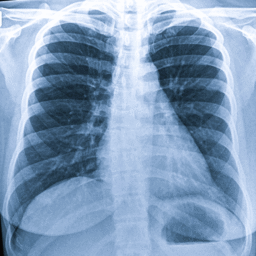
The Commission will also help by providing regulatory clarity on various AI tools such as those for radiology and pathology, and remote monitoring systems to support virtual care of patients from their own homes – alerting staff to early signs of deterioration while helping people live independently.
AI is already being used to analyse and interpret acute stroke brain scans to support doctors when diagnosing and making treatment decisions in 100 per cent of stroke units in England. Thanks to the AI Diagnostic Fund, 50 per cent of hospital trusts are now deploying AI to help diagnose conditions like lung cancer. Separate research has indicated that hospitals using AI-supported diagnostics have seen a 42 percent reduction in diagnostic errors.
The National Commission’s work will directly support the NHS’s digital transformation to benefit patients, and the UK’s ambition to become a global hub for health tech investment.
Source: MHRA
Published on October 6, 2025
Original source: in