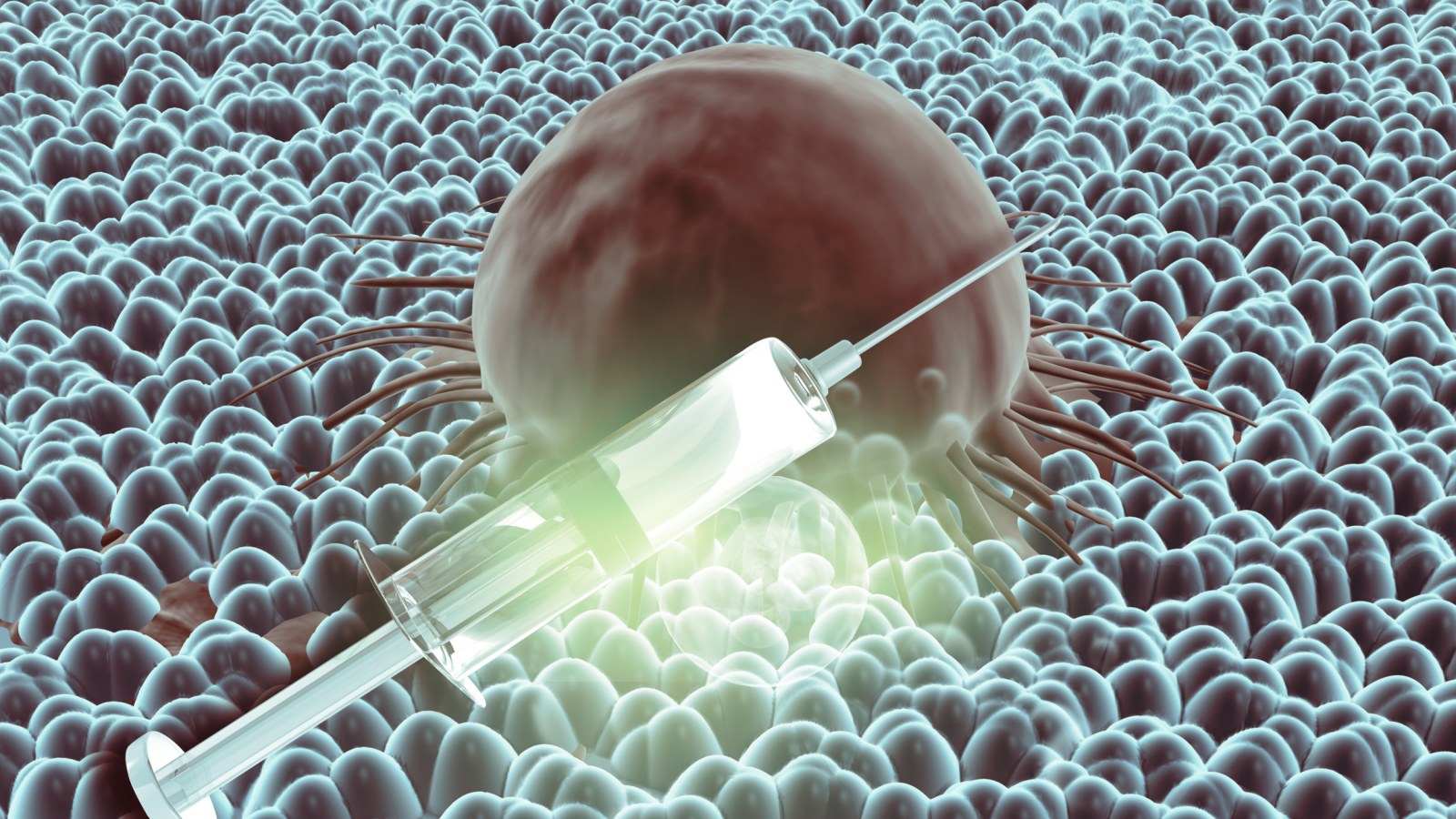
Russia has reported that its cancer vaccine “Enteromix” has completed preclinical trials—demonstrating both safety and high efficacy.Veronika Skvortsova, head of the Russian Federal Medical-Biological Agency (FMBA), made the announcement on Saturday at the Eastern Economic Forum (EEF) in Vladivostok, according to a report by Russian news agency TASS.”The research spanned several years, with the last three dedicated to mandatory preclinical studies,” Skvortsova reportedly said. “The vaccine is now ready for use; we are awaiting official approval.”Skvortsova is said to have emphasized that preclinical results confirmed the vaccine’s safety, even with repeated administration, and significant effectiveness.Researchers observed reductions in tumor size and slowed tumor progression—ranging from 60 to 80 percent—depending on disease characteristics. Studies also indicated increased survival rates attributable to the vaccine.Various media reports also suggest that the vaccine has shown 100 percent efficacy in preclinical trials, although Newsweek has been unable to verify this claim.The initial target for the vaccine will be colorectal cancer, according to the TASS report.”Promising progress” has also been made in developing vaccines for the aggressive brain cancer glioblastoma and specific types of melanoma, including ocular melanoma, —with such at “advanced stages of development”—the agency said.Newsweek spoke to Dr. David James Pinato, a clinician scientist and consultant medical oncologist at Imperial College London about his thoughts on the potential new vaccine.”My concern over the quality of the data that is actually being released, from a scientific perspective, is that I cannot really fully understand what stage of development this Russian cancer vaccine is at,” he said.Pinato explained that preclinical testing typically means testing in animals, so more testing would be needed in humans to confirm any efficacy results.”The fact that a vaccine approach has had 100 percent efficacy in animals [if this is the case] means absolutely nothing. This is because very often the immune system of animal models of rodents or other species that are used to test these vaccines clinically is not reproducing the complexity of the cancer genome or the human immune system,” he said.”If this is truly preclinical results, it’s amazing, it’s interesting. It’s another one of those potential results that could then lead to a drug in the future but it’s by no means something that can be advocated for clinical use [yet],” he said.Pinato acknowledged that some media reports allude to phase 1 testing of the vaccine. “These are studies conducted in humans for the very first time and they are there to show whether a drug is safe, not whether it is effective.”Referencing the vaccine reportedly being ready for use, he added: “Either way, if we are in the late stage of preclinical or early stage clinical testing, these claims are quite strong for us to be able to say that this is truly a game changer.”If the animal studies have been completed, the first authorization that could happen would be to utilize this vaccine in the context of a clinical trial in a research setting, certainly not in clinical use.”Pinato emphasized he is basing his observations over limited material available.”I couldn’t really find a lot to say how long this treatment has been tested for, where have the results been presented, has there been some form of peer review of the results, are we convinced that this type of technology is really going to be implemented in humans.”While he acknowledged the Russian system will have different regulations compared to other regions, he added: “I really do not have enough information and I think the claims are quite big for what they say.”Newsweek has reached out to the FMBA and the Ministry of Health’s National Medical Research Radiology Centre (NMRRC).Do you have a tip on a health story that Newsweek should be covering? Do you have a question about cancer? Let us know via health@newsweek.com.
Original source: US