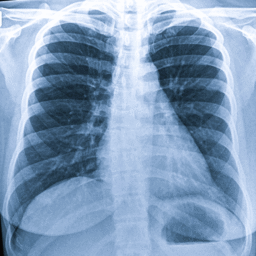
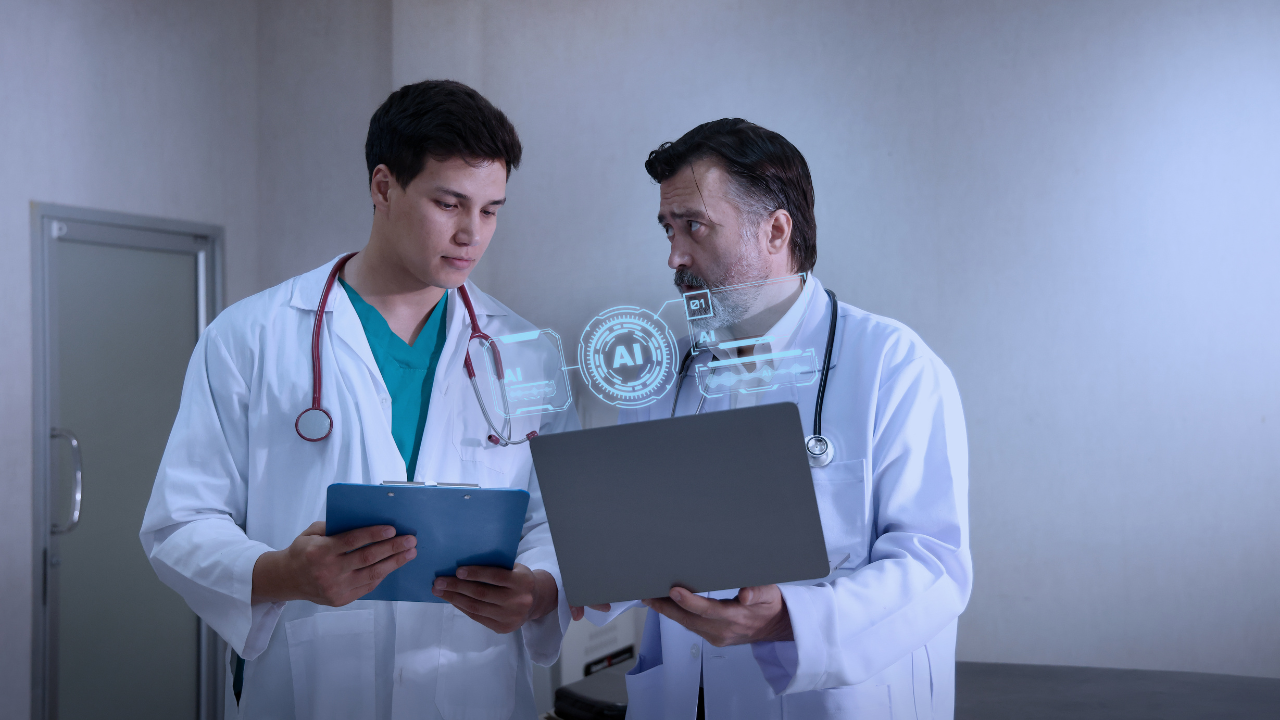
At midnight, when a child develops a fever or an elderly parent suddenly complains of chest pain, many people no longer reach for a medical book or wait until morning to call a physician. They open an app, type symptoms into a chatbot, upload a photograph, and wait for an answer.In many homes, artificial intelligence has become the first doctor.The shift is understandable. Healthcare is not equally accessible to everyone. In rural areas, specialist care may be hours away. Even in cities, appointments can be expensive and difficult to get on short notice. AI offers something healthcare often struggles to provide: immediate responses.Yet medicine is rarely immediate and almost never straightforward.A cough can mean a common cold, an allergy, asthma, acid reflux, pneumonia or something far more serious. A stomach ache may be indigestion in one person and an emergency in another. Symptoms do not exist in isolation, and that is precisely where experts say AI still falls short.The midnight doctor in your phoneArtificial intelligence is already woven into healthcare in ways many people do not realise. Symptom checkers, report-analysis apps and health chatbots are becoming increasingly common. Some can organise information, ask follow-up questions and even suggest whether a symptom may require urgent attention.Dr Kunal Sehgal, Managing Director and Chief Pathologist at Neuberg Sehgal Path Lab, believes this development is natural.”Patients want information quickly, clearly and 24 hours a day. Given the unevenness of access to doctors, AI can help people identify indicators of serious illness much sooner than traditional means would allow and help them navigate the healthcare system more efficiently.”The growing dependence on digital tools is also reflected in India’s healthcare ambitions. The Government of India’s National Digital Health Mission aims to strengthen digital healthcare systems and encourage technology-driven access to medical services. For millions of people, AI can act as a doorway into the healthcare system. The danger begins when that doorway is mistaken for the destination itself.Why medicine cannot be reduced to an algorithmDoctors spend years learning that the same symptom can have very different meanings depending on who is experiencing it.Age, family history, medications, stress, previous illnesses and even living conditions can influence a diagnosis. These details are difficult to capture through a few typed sentences on a screen.Dr Sehgal explained, “Health and wellbeing cannot be reduced to a series of symptoms and data points. Many aspects of a patient’s life shape his or her condition, including medical history, lifestyle, emotional state, family history and medication being taken, as well as subtle clinical signs that cannot be measured remotely.”Dr Abhinandan Sadalge, Consultant Urology at P D Hinduja Hospital and MRC, Khar, echoed the same concern, “Medicine is rarely as simple as matching symptoms to a list. A cough can be a viral infection, asthma, heart failure, reflux or something else entirely. A computer may recognise patterns, but it cannot examine a patient, judge how unwell they look, understand family concerns in full, or account for the many small details that influence a diagnosis.”A doctor notices things that a machine often cannot: the tremor in someone’s hands, the fear in a patient’s eyes, the exhaustion in their voice or the subtle changes in body language that suggest something more serious is happening.Medicine is science, but it is also observation and human connection.The risk of false reassurance and unnecessary panicOne of the biggest concerns surrounding unsupervised AI consultations is not that the technology will make mistakes. It is that people may trust those mistakes too much.A chatbot may tell someone that chest discomfort appears harmless, causing them to delay seeking emergency care. Equally, it might suggest a severe illness for a minor symptom, triggering panic and unnecessary testing.”The issue arises when AI-generated information is treated as a diagnosis or an alternative to seeking professional advice,” said Dr Sehgal.”If a patient incorrectly believes that they have been reassured by the use of AI, it could delay their treatment. On the other hand, if a patient has been given a false sense of urgency by AI, it has the potential to cause unnecessary worry and increase the burden on emergency room staff.”Dr Sadalge added, “The greatest concern is false reassurance. A patient who is told that a symptom seems harmless may delay urgent care. Alternatively, what is scarier is that an inaccurate answer could lead to stress and unnecessary testing.”In healthcare, a small error can have enormous consequences.India’s AI opportunity is real, but so are the challengesIndia’s healthcare system faces a shortage of specialists and an enormous patient load. In this environment, AI has the potential to become a powerful support tool.Dr Sheena Alphones, Consultant Oncopathologist at NM Medical Lab, Mumbai, pointed, “The emerging digital health environment in India creates an enormous potential for AI, especially in radiology, pathology and preventive screenings.”She explains that modern digital pathology solutions can identify microscopic abnormalities and help specialists working in remote areas where access to expertise may be limited.But India also presents unique challenges.”AI is perfect at recognizing patterns, but it cannot assess the whole situation in the clinical environment by itself,” she said.The country is marked by enormous diversity in healthcare access, socioeconomic conditions and disease patterns. A patient in a metropolitan hospital and another in a remote village may present with similar symptoms but require entirely different approaches to diagnosis and treatment.That complexity is difficult for algorithms to fully understand.The future is not AI versus doctorsThe debate is often framed as a competition between humans and machines. Experts say that is the wrong question entirely.”A reasonable vision of the future is not man against AI. A reasonable vision of the future is man with AI,” said Dr Sadalge.AI can analyse vast amounts of information in seconds. It can help doctors spot patterns, organise records and reduce administrative burdens. In many cases, it can speed up diagnosis and improve efficiency.What it cannot do is replace compassion.Dr Alphones believes the future of medicine lies in combining technological strength with human understanding.”The most productive future of medicine would come from an approach where the role of artificial intelligence complements the compassion and empathy of human doctors.”Dr Sehgal agreed, “AI can allow health care providers to spend more time doing what counts most in a clinical setting: listening, assessing, explaining and supporting patients in making difficult decisions about their course of treatment.”Perhaps that is where AI’s true value lies, not in becoming the doctor, but in giving doctors more time to be human.Because when illness enters a person’s life, they rarely need only an answer. They need reassurance, understanding and someone who can make sense of uncertainty.Medical experts consultedThis article includes expert inputs shared with TOI Health by:Dr Kunal Sehgal, managing director and chief pathologist at Neuberg Sehgal Path Lab.Dr Abhinandan Sadalge, Consultant Urology, P D Hinduja Hospital and MRC, Khar.Dr Sheena Alphones, Consultant Oncopathologist, NM Medical Lab Mumbai.Inputs were used to examine the growing trend of people turning to artificial intelligence for medical advice, the benefits and limitations of AI-driven health consultations, and why experts say technology should support, not replace, professional medical care.
Original source: in