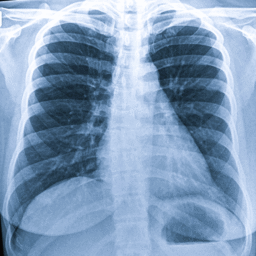

Deadly smoke: While cannabis is perceived by many as a natural and safe substance, recent studies indicate a series of cumulative medical damages, some severe and even irreversible, that harm the lungs, heart and brain and raise real concern about the development of lung cancer.The prevailing public perception holds that marijuana is a safe and natural alternative to cigarettes, but accumulated medical data from recent years paints a very different and deeply troubling picture. A large-scale study published in the prestigious scientific journal Radiology, conducted by researchers at the University of Ottawa, compared CT scans of marijuana smokers with those of tobacco-only smokers and non-smokers. The findings were unequivocal, rates of emphysema, a chronic and destructive lung disease, were significantly higher among marijuana smokers, reaching 75% compared to 67% among tobacco smokers.According to experts, the explanation lies in the unique inhalation method of cannabis users, who tend to inhale the smoke deeply into the lungs and hold it there for a prolonged time, which increases the deposition of toxic substances and tar in the delicate tissues. Although many believe that the absence of added addictive substances found in cigarettes makes cannabis healthier, in practice the combustion products of the plant contain polycyclic aromatic hydrocarbons at concentrations 50% higher than those found in regular tobacco cigarettes.The danger of lung cancer is no longer just a theoretical assumption, but a well-founded concern that has been thoroughly studied in leading medical centers worldwide. A study published in the European Respiratory Journal found that smoking one marijuana cigarette causes respiratory damage equivalent to smoking between 2.5 and 5 tobacco cigarettes at once. This damage stems from the fact that marijuana smoke does not undergo effective filtration, and it is hotter and full of solid particles that penetrate the lung alveoli. In addition, it was found that cannabis smokers suffer more from respiratory tract inflammation and thickening of the bronchial walls, a condition that creates fertile ground for the development of cancer cells over time. According to experts, the link between marijuana and lung cancer is complex to identify because many users mix the plant with tobacco, but even among those who smoked pure cannabis alone, a significant increase was observed in biological markers indicating genetic damage to lung cells.In the field of cardiology, the latest findings are no less concerning. A massive study published in 2024 in the journal of the American Heart Association, which followed more than 430,000 adults in the United States, revealed that daily marijuana use is associated with a 25% increase in the risk of heart attack and a 42% increase in the risk of stroke. The researchers noted that even after neutralizing other risk factors such as tobacco use, alcohol or obesity, the link between cannabis and cardiac events remained strong and significant. The physiological mechanism behind this phenomenon is related to the fact that cannabinoids affect receptors in blood vessels and cause an immediate increase in heart rate and changes in blood pressure. When a user smokes marijuana, the heart is forced to work harder while the oxygen supply to the heart muscle decreases due to the presence of carbon monoxide in the blood.The long-term effects on the brain were examined in studies published in the journal Lancet Psychiatry, where a strong link was found between the concentration of the active substance THC and the onset of severe mental disorders. The study showed that users who consume high-potency marijuana are at a fivefold higher risk of developing psychosis compared to people who do not use the plant. In addition, it was found that regular use during adolescence causes an average drop of 8 points in IQ tests, damage that does not always improve even after stopping smoking. According to experts, the human brain continues to develop until the mid-20s, and external intervention by psychoactive substances alters neural wiring in areas responsible for memory, learning and decision-making. Although its use has become socially accepted, the data shows that the cognitive cost is heavy and long-lasting.The immune system is also affected by continuous exposure to cannabis. Studies conducted in laboratories at the University of California showed that marijuana smoking impairs the ability of white blood cells to fight infections and bacteria in the lungs. It was found that cannabis smokers tend to suffer more from fungal infections and viral pneumonia, because the active compounds suppress the local immune response in the respiratory tract. The combination of structural lung damage together with immune suppression turns users into a risk group for severe respiratory diseases. Experts emphasize that the fact that the plant comes from nature does not grant it immunity from toxicity, and that burning any organic substance and inhaling it into the body is an action that contradicts healthy human physiology.Despite the public discourse of those who try to promote free marijuana smoking waving the banner of personal freedom, scientific evidence shows that recreational use of marijuana carries a heavy medical risk. According to experts, the writing is on the wall and similar to the history of tobacco smoking, it will take time until the cumulative damage is fully reflected in national mortality and morbidity statistics. Modern science no longer views marijuana as an innocent substance, and the sweeping medical recommendation is to understand that every inhalation of cannabis smoke is a gamble on the long-term health of the lungs, heart and brain. So just before you roll a joint, it is worth remembering that lung and cancer damage from marijuana smoking develops quietly over years until it erupts and becomes deadly.
Original source: il