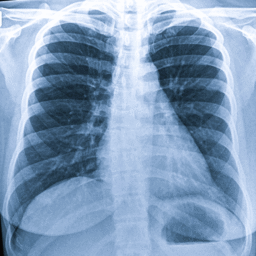

A new report has highlighted how some breast cancer patients in County Durham and Darlington underwent “unnecessary biopsies” due to failings in IT systems. This comes according to a review by the Royal College of Radiologists, which itself was triggered when shocking issues with wider breast cancer treatment at the County Durham and Darlington NHS Trust were revealed last year. Bosses at the trust reiterated public apologies at a recent board meeting, but also pointed to significant progress within the service since the issues came to light. However, NHS patients continue to share horror stories – with one woman discussing how botched care had left her “a shell of a person”. “Very serious failings” were identified during 2025, dating back more than a decade. Women have previously shared horror stories about their care, while wholesale changes in systems and personnel are underway at the trust, which runs hospitals across the country including University Hospital of North Durham and Darlington Memorial. The issues included missed diagnoses and unnecessary surgery. Hundreds of women are thought to have been implicated. The new report has been shared at a series of NHS meetings in the last ten days, while bosses at the hospital trust have also spoken in detail about the work ongoing to improve things. A “lookback” exercise continues, too, with hundreds of cases from recent years being reviewed – and in cases where moderate or severe harm has been identified those patients have been informed. Speaking through lawyers at the firm Fletchers, women continue to speak about their care – and finding out that it was below standard. One woman said: “The physical impact has been huge. I don’t feel like myself anymore, and I’ve been waiting months for answers about problems with my implant. I can’t sleep on that side and I feel so self-conscious. “Every time I try to speak to doctors, it feels like I’m hitting a brick wall. I feel completely let down and have no trust in them. My self-esteem has completely gone.” Another patient said they had even cancelled their wedding as a result of what happened. She said: “I was due to get married in September 2023, but I felt I had no choice but to cancel my wedding because of what happened to me and the way I’ve been left. “This experience has changed my everyday life, my confidence, and how I see myself. I feel I have been left without proper answers, support, or accountability.” And a third person said the impact of her surgery on her care had been devastating. She said: “I am a shell of the person I once was; I have no confidence in myself as a woman anymore, I have no self-esteem. I can’t wear clothing I wore before or swimwear because of the way my chest now appears. “I get down and depressed because I have gained weight significantly, and I can’t have any corrective surgery until I lose the weight, which is difficult. I can’t take HRT or the contraceptive pill, and I won’t even take my top off in front of my husband anymore. I look maimed and the scarring is horrific.” Francesca Paul, representing several of the affected patients, said: “We are seeing more of our clients come forward to share their experiences publicly. What is striking is the consistency in what they are telling us, a lack of choice, poor communication, and the long-lasting impact on their lives.” Ms Paul shared patient concerns that any issues may not be isolated ones, adding: “It is vital that all patients are heard, that they receive answers, and that lessons are learned to prevent further harm in the future.” The report produced by the Royal College of Radiologists found that IT failings within breast services at the trust led to issues including “wrong patient selection”, images being taken of the “wrong side” breast of a patient, and even unnecessary biopsies being taken. It made a total of 30 recommendations broadly around two themes – 16 of these were classed as high priority. The themes covered included that there were “persistent and significant” issues with the trust’s “PACS” IT system, while there was also a worry about “potential unnecessary radiation”. The report’s authors added: “Overall, these issues represent a tangible threat to patient safety and service quality, requiring immediate and sustained attention to prevent harm.” The report also highlighted the impact, saying: “The review team heard examples of the direct patient impact […], including reports of wrong patient selection, wrong side imaging, near misses, repeat and unnecessary biopsies, and clinic delays due to IT failures.” At a subsequent meeting of the North East and North Cumbria NHS Integrated Care Board – which commissions health and care services in our region and has a role overseeing how they operate – discussed the issue. ICB chief executive Samantha Allen said: “Work continues at the trust, particularly in terms of the lookback to understand the harm caused to women who have gone through the breast services. As a commissioner, we continue to work with County Durham and Darlington, but also Newcastle Hospitals, Gateshead Health and North Tees on the commissioning of breast services. “To stress to the board, we are confident in the delivery of services at the Trust today, but we do have some mutual aid arrangements in place across other organisations to support the trust with this.” ICB executive medical director Dr Neil O’Brien added: “A lot of the safety issues that were highlighted in the Royal College of Radiology report – including the potential unnecessary radiation – is because of inability of clinicians to easily access previous images. There were repeat images, and it was a manual process which sometimes led to instances where there was either wrong side breast sampling done, and therefore repeat biopsies needed to be made. “We’ll certainly continue to work with the Trust – we monitor all the delivery of all of these actions through the breast oversight group. But ‘m pleased to say that the Trust are implementing a new [imaging archive] system which I think will address a lot of the technical IT issues.” According to a report submitted to the County Durham and Darlington NHS Trust’s most recent board meeting in late March, 357 reviews had been completed by March 18. In those cases, the report says: “There have been 45 incidents resulting in moderate harm and nine cases of more significant harm including one death. Duty of candour has been fulfilled for all incidents with moderate or above harm.” At the board meeting which followed, Gill Hunt, interim chief nurse, said: “Whilst the report details our progress and our current service, which is incredibly important for the here and now, it doesn’t diminish our responsibilities for past service failures and for the harm that we’ve caused to women in our care, for which we continue to reiterate our sincere apologies. “We have modernized the service in line with best practice based on evidence-based guidance. We’ve brought in additional clinical expertise and strengthened the multi-professional working and really modernized our one-stop clinics and upgraded our imaging facilities.” She said this had led to “measurable difference” for patients. The report submitted to the trust board included detail that the rates of “breast conserving surgery” had improved almost 20% (from 53% in 2019, well below the standard of 65%, to 72% over 2025/26). There was also a reduction in the need for “re-excision” – namely, a second surgery being necessary – while the rate of immediate breast reconstructions had more than doubled. Board chair Allison Marshall added that she hoped that the historic failings would not lead to women putting off seeking support for potential breast cancer. She told the meeting: “It’s quite important to note that the improvements have been made and it is now a safe service. “I’m very conscious that because what’s happened in the past, there may be some women that are unwilling or certainly not very confident about using our services. It would be a tragedy if if people didn’t and then themselves suffered harm that could have been prevented.” While this is the case, trust bosses added that they know that, as it stands, “waiting times are longer than they should be”. Previously, ChronicleLive has reported how caps on capacity at Durham and Darlington were having an impact on waiting times for breast cancer referrals at Newcastle’s hospitals. The board meeting last month also heard how a “partnership” is between Durham and Darlington NHS Trust and another regional trust to improve the issue is due to be announced in the coming weeks. Gill Hunt, interim chief nurse, said: “We know many patients and families have been deeply affected by past failures in our breast service and we are truly sorry for the harm caused. We are committed to putting this right, supporting those affected and rebuilding trust. “Over the past year, we’ve made major changes. We’ve strengthened clinical leadership, brought in specialist surgeons and introduced a modern, guideline-led model of care. All patients are now reviewed by a full multidisciplinary team, with improved access to diagnostics and new specialist clinics.” She added that that the changes were “making a real difference”, saying: “Outcomes have improved, with more breast-conserving surgery and reconstruction and fewer patients needing further operations. Independent partners confirm the service is now in line with others across the region. “But we know this does not undo the past. Our look-back review remains a priority. We are increasing independent clinical reviewers to complete this work as quickly and thoroughly as possible, and we are continuing to contact and support affected patients. “We are working closely with patients and partners to shape the future of the service and we will continue to be open about our progress and the challenges ahead.” ChronicleLive has created a dedicated WhatsApp community for breaking news and our biggest stories. You can join this WhatsApp community here . It will keep you up-to-date with news as it breaks and our top stories of the day sent directly to your phone.
Original source: gb