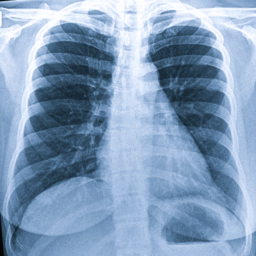

For decades, heart disease prevention has focused on controlling cholesterol, blood pressure, diabetes, and body weight. But new AI-powered research suggests another key factor may deserve equal attention: your muscles. A study published in the journal Radiology found that people with healthier chest and back muscles had a significantly lower risk of suffering a heart attack or dying from cardiovascular disease over the following decade. Researchers used artificial intelligence (AI) to analyse routine coronary CT scans and discovered that muscle quality was a strong predictor of long-term heart health. The findings add to growing evidence that skeletal muscles are not just responsible for movement; they are powerful metabolic organs that play an essential role in protecting the heart. Also read: Shocking ICMR Study Says Almost 90% of Indian Adults Have Unhealthy Cholesterol Levels Healthy muscles mean a healthier heart Doctors say greater chest and back muscle mass often reflects better overall health. Higher muscle mass indicates greater physical activity, lower abdominal fat, improved lung capacity, better glucose tolerance, and healthier cholesterol levels – as all of these factors work together to reduce the risk of heart attacks and other cardiovascular diseases. Doctors emphasise that muscles are much more than a sign of physical fitness. Unlike fat tissue, skeletal muscle is metabolically active, meaning it constantly burns glucose, improves insulin sensitivity, and helps regulate blood sugar—all critical for preventing diabetes and heart disease. Muscles act like a protective organ Every time muscles contract during exercise, they release signalling molecules known as myokines. These proteins help reduce inflammation, improve blood circulation, regulate metabolism, and lower stress on the cardiovascular system. Scientists now recognise skeletal muscle as an endocrine organ, meaning it communicates with the heart, liver, and other organs through these beneficial chemical messengers. Don’t ignore your leg muscles Although the AI study focused on chest and back muscles, experts say thigh and calf muscles are equally important for heart health. The calf muscles are often called the body’s “second heart” because they help pump blood back toward the heart every time they contract, improving circulation. The thighs, meanwhile, are the body’s largest muscle group and consume significant amounts of glucose during physical activity. This improves insulin sensitivity and helps reduce one of the biggest drivers of cardiovascular disease. Research published in the American Journal of Medicine found that a 10 per cent increase in quadriceps strength reduced overall mortality by 23 per cent and cardiovascular mortality by 34 per cent. Resistance training is essential While walking remains one of the best exercises for heart health, experts say strength training should not be overlooked. Resistance exercises help preserve muscle mass as we age, improve blood sugar control, reduce body fat, and support healthier blood vessels. Doctors recommend a simple daily routine that requires little or no equipment: 30 squats 30 push-ups (wall push-ups for beginners) 30 heel raises The latest AI research suggests that building stronger chest and back muscles could be an important way to lower your risk of heart attack. Combined with healthy thigh and calf muscles, regular resistance training, and heart-friendly lifestyle habits, maintaining muscle health may be one of the most effective – and often overlooked – strategies for protecting your cardiovascular system.
Original source: in