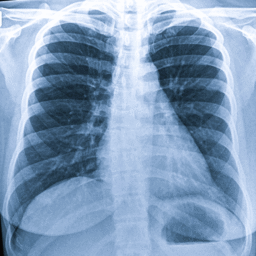

That is according to a study that found abdominal obesity, or tummy fat, is associated with more harmful changes in heart structure than overall body weight alone.
The findings, being presented this week at the annual meeting of the Radiological Society of North America (RSNA), explained that tummy fat can cause the heart to pump less blood.
Study author Jennifer Erley, radiology resident at University Medical Centre Hamburg-Eppendorf in Germany, said: “It appears to lead to a potentially pathological form of cardiac remodelling, concentric hypertrophy, where the heart muscle thickens but the overall size of the heart doesn’t increase, leading to smaller cardiac volumes.
“In fact, the inner chambers become smaller, so the heart holds and pumps less blood. This pattern impairs the heart’s ability to relax properly, which eventually can lead to heart failure.”
Researchers used data from an ongoing long-term population study in Germany and studied MRI images of 2,244 adults aged 46 to 78, who did not have cardiovascular disease.
They took into account the participants’ BMI, a measure of general obesity calculated from a person’s weight and height, and waist-to-hip ratio (WHR), a measure of waist circumference to calculate abdominal obesity.
According to BMI, 69pc of males and 56pc of females in the study were overweight or obese. Using WHR, 91pc of the males and 64pc of females met the World Health Organisation (WHO) criteria for obesity.
Men are more likely to store fat in just their abdomen than women
They found BMI was more often linked to enlarged heart chambers and abdominal obesity was associated with thickening of the heart muscle and smaller heart chamber volumes. However, study authors found changes to the heart structure were more prominent in men.
Excess weight, especially around the waist, is known to lead to fatty material building up in the arteries and major organs, increasing the risk of high blood pressure, high cholesterol and type 2 diabetes.
If the arteries that carry blood to your heart get damaged and clogged, it can lead to a heart attack. If this happens in the arteries that carry blood to your brain, it can lead to a stroke or vascular dementia, the British Heart Foundation explains.
But men are more likely to store fat in just their abdomen than women, putting them at a greater risk.
Original source: ie