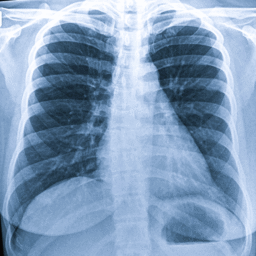

The image of a doctor has traditionally been a professional grounded in anatomy, pharmacology, pathology, and clinical skill. For decades, this depth of knowledge has defined medical excellence. But healthcare in the 21st century is no longer a closed clinical ecosystem; it is shaped by artificial intelligence, digital health platforms, public policy, economics, and social inequalities.
One of the most urgent reasons for multidisciplinary learning is the widening technology gap in healthcare. AI is assisting in radiology reporting. Wearable devices are continuously tracking vital parameters. Electronic health records generate vast streams of data. Robotic systems are redefining surgery. Yet many medical graduates do not truly understand how they work. Interdisciplinary exposure to Engineering, Data Science, biomedical innovation, and health informatics allows physicians to evaluate digital tools critically rather than rely on them blindly.
Doctors do not need to become software developers, but they must understand algorithmic bias, data interpretation, cybersecurity risks and system limitations. When clinicians can collaborate meaningfully with engineers and technology developers, innovation becomes safer, more ethical and more patient-centric.
Human angle
At the same time, medicine cannot become purely technological. The Medical Humanities — Literature, Philosophy, Ethics, and reflective practice — ensure that clinical competence is balanced with human sensitivity. Literature sharpens narrative competence, enabling doctors to truly listen to patients’ stories. Philosophy strengthens ethical reasoning, essential in end-of-life decisions, reproductive health dilemmas and emerging genetic technologies. Clinical ethics discussions build moral clarity in complex scenarios. In an age of machine-driven diagnostics, empathy becomes even more valuable. The humanities protect the soul of medicine.
Healthcare does not operate in isolation from economics or governance. Treatment decisions are influenced by insurance coverage, public health budgets, pricing regulations, and national health priorities. Understanding health policy and healthcare economics equips doctors to think beyond individual prescriptions. It enables them to ask: Is this intervention cost effective? How does policy influence patient access? How do reimbursement models shape clinical practice? Physicians who understand economics can contribute meaningfully to policy discussions, hospital administration, and systemic reforms. They become advocates not just for patients in clinics, but for communities within systems.
Health outcomes are profoundly shaped by non-medical determinants. Social Science offers insights into poverty, housing, sanitation, education and their impact on disease spread and recovery. A doctor treating tuberculosis must understand overcrowded living conditions. A physician managing diabetes must consider food accessibility and socio-economic constraints. Without awareness of these social realities, clinical advice risks becoming disconnected from lived experience.
Business and Management education also play a growing role. Hospitals are complex organisations. Resource allocation, team leadership, conflict resolution, and quality improvement require managerial competence. Doctors often lead multidisciplinary teams; leadership without management training can limit impact. Interdisciplinary learning strengthens the physician’s ability to function effectively within these broader systems.
‘T’-shaped physician
The future doctor can be best described as a “T-shaped” professional. The vertical bar represents deep, specialised medical knowledge. This remains non-negotiable. Clinical expertise, diagnostic reasoning and procedural skill are the foundation of trust in medicine. The horizontal represents breadth; the ability to collaborate across disciplines, communicate with technologists, understand economists, engage with policymakers, and empathise with social realities.
This fosters enhanced problem-solving. Complex health challenges rarely have single-cause solutions. Antimicrobial resistance, lifestyle diseases, pandemics and mental health crises require integrated thinking. Interdisciplinary exposure also strengthens empathy and cultural competence. When doctors understand literature, sociology and philosophy, they develop a deeper appreciation for diversity, belief systems and patient narratives.
Finally comes adaptability. Medicine is evolving at unprecedented speed. Treatments change. Technologies disrupt. Policies shift. Doctors who are trained within rigid disciplinary boundaries may struggle to adjust. Those exposed to multiple perspectives develop intellectual flexibility and resilience.
Interdisciplinary learning does not mean diluting medical rigour. It means enriching it. Medical curricula must integrate collaborative projects with engineering departments, ethics seminars, policy discussions, community immersion programmes, and leadership training.
The goal is not to produce generalists without depth, but specialists with perspective. Tomorrow’s doctors will practise in a world of genomic medicine, digital platforms, global migration, climate-related health crises, and economic uncertainty. To serve patients effectively, they must understand not only disease, but systems, technology, society and humanity. Medicine remains the core. But medicine alone is no longer enough.
The writer is Dean, Dr. D.Y. Patil Medical College, Hospital and Research Centre, Pune.
Original source: in