
Hong Kong will overhaul public hospital fees from January 1 to ensure the sustainable development of its healthcare system amid challenges from an ageing population.
Authorities estimate the increased fees could generate an additional HK$3 billion (US$385 million) a year, with the extra revenue earmarked to support patients facing financial hardship or critical illnesses.
The government also plans to gradually reduce the public healthcare subsidy rate from 97.6 per cent to 90 per cent by 2030.
The Post takes a look at some of the coming changes and how residents can prepare.
1. What are the new arrangements?
From Thursday, patients requiring overnight hospital treatment will need to pay HK$200 to HK$300 per day for a bed, depending on the type, up from the current HK$100 to HK$120.
Fees for family medicine clinics, which provide community-based healthcare and were previously known as general outpatient clinics, will rise from HK$50 to HK$150 per visit. Patients will also need to pay HK$5 per prescribed drug for every four weeks.
At specialist outpatient clinics, patients who currently pay HK$135 for a first visit and HK$80 for a follow-up will now need to pay HK$250 for each appointment.
For accident and emergency (A&E) departments, the government will increase fees for urgent, semi-urgent or non-urgent cases – the less serious categories in the five-tier system – from HK$180 to HK$400.
Critical and emergency cases will be treated free of charge.
The number of people eligible for subsidised or free healthcare will also expand significantly, from 300,000 to 1.4 million, following the relaxation of income and asset limits.
2. How can patients get information?
More than 1,000 patient service ambassadors will be stationed at outpatient clinics, shroff or accounts offices and pharmacies in public hospitals to help keep the public informed about the new fees.
Patients who are unclear about the new arrangements can approach the ambassadors or volunteer helpers, who will be wearing orange armbands and red jackets.
Residents can also visit the Hospital Authority’s website or call hotlines for the city’s seven public hospital clusters.
3. What if I cannot apply for the waiver scheme in time?
Patients who are unable to afford public healthcare can apply for a fee waiver by submitting supporting documents to designated units run by the Social Welfare Department.
Priscilla Poon Yee-hung, the authority’s chief manager of allied health, said that during the initial phase of the reform, residents who feel they cannot afford the new fees could receive a conditional waiver by declaring that they are in an urgent financial situation.
Applicants will then have three months to provide the necessary documents proving their eligibility. Those who fail to do so within that period will be required to pay the full bill.
4. Are there any alternatives to A&E?
Patients are encouraged to visit public family medicine clinics to ease the pressure on A&E departments in public hospitals.
A private general practitioner typically charges around HK$300 per consultation, and some private hospitals offer 24-hour outpatient services, with fees ranging from HK$280 to more than HK$1,000.
5. Will X-rays remain free?
Non-urgent diagnostic radiology and pathology services that were previously offered free will now be charged under a three-tier system.
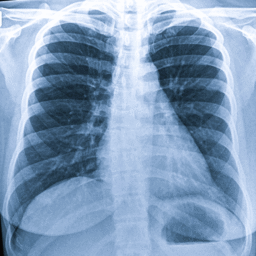
X-rays fall under the basic tier and remain free, as do haemoglobin tests, while whole genome sequencing will cost HK$200.
Fluoroscopy, ultrasound scans and mammograms will be classified as intermediate, costing HK$250 each.
Magnetic resonance imaging (MRI), positron emission tomography-computed tomography (PET-CT) scans and CT scans, will be classed as advanced and charged at HK$500.
6. What’s the rationale behind the change?
The government said the reforms were necessary to address the structural challenges stemming from an ageing population.
The subsidy rate for public healthcare, currently among the highest in the world at 97.6 per cent, will decrease to 90 per cent over the next five years under the reforms.
After the adjustment, the overall subsidy rate will remain 94 per cent, generating an additional HK$3 billion in revenue to support other medical needs of Hong Kong residents, according to the Hospital Authority.
To ensure the sustainability of the system and better support “poor, acute, serious and critical” patients, the government wants residents with milder conditions and those who can afford it to pay more.
Public healthcare subsidies have increasingly burdened the government’s budget, rising from HK$70 billion in 2015-16 to HK$141 billion for the current financial year.
Original source: cn