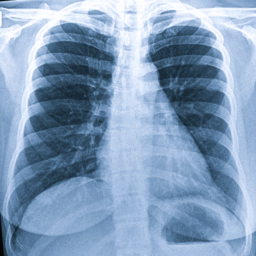

Cabinet has approved the Radiation Protection Amendment Bill, 2026, a proposed law aimed at modernising Zimbabwe’s regulatory framework to address emerging technological developments in both ionising and non-ionising radiation.
The Bill, presented by Justice, Legal and Parliamentary Affairs Minister Ziyambi Ziyambi, seeks to strengthen radiation protection, safety and security while aligning the country’s legal framework with international standards.
Speaking after Tuesday’s Cabinet meeting, Ziyambi said the legislation would also bolster Zimbabwe’s nuclear security architecture and ensure compliance with global obligations.
“It also seeks to enhance national nuclear security, establish financial sustainability mechanisms; and to align Zimbabwe with its international commitments under the International Atomic Energy Agency and the Comprehensive Safeguards Agreement,” he said.
The proposed legislation, together with the completion of the National Radioactive Waste Management Facility, has been identified by the Radiation Protection Board as one of Zimbabwe’s strategic national priorities.
Once enacted, the Bill is expected to strengthen the country’s legal and regulatory framework for radiation protection in line with international best practice while responding to evolving technological and sectoral demands.
Government is also prioritising the completion of the National Radioactive Waste Management Facility, which is regarded as critical for the safe, secure and long-term management of radioactive waste generated by medical, industrial and research institutions.
The facility has been under development for several years and is expected to provide Zimbabwe with a permanent solution for the storage and disposal of radioactive waste once completed.
Zimbabwe continues to face a number of challenges in radiation protection, largely driven by infrastructure deficits, ageing equipment and limited resources.
The sector has been affected by shortages of specialised equipment, delays in the repair and maintenance of radiology machines, and inadequate staffing levels. Medical and technical radiology departments have also been hampered by erratic electricity supplies and unstable air conditioning systems, factors that continue to disrupt service delivery.
Original source: zw